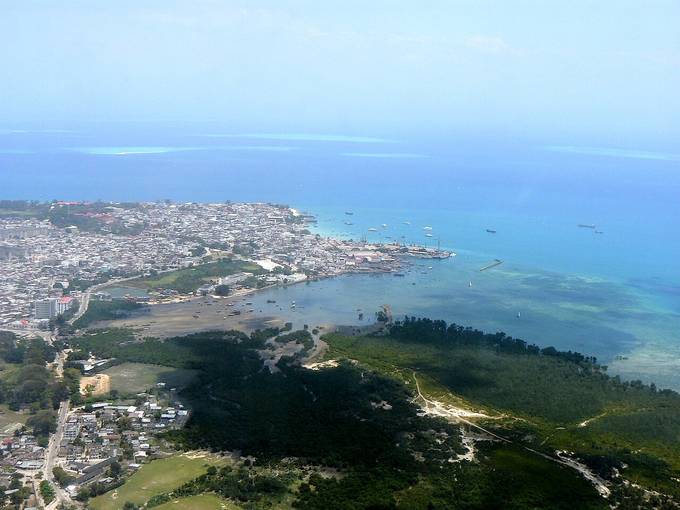
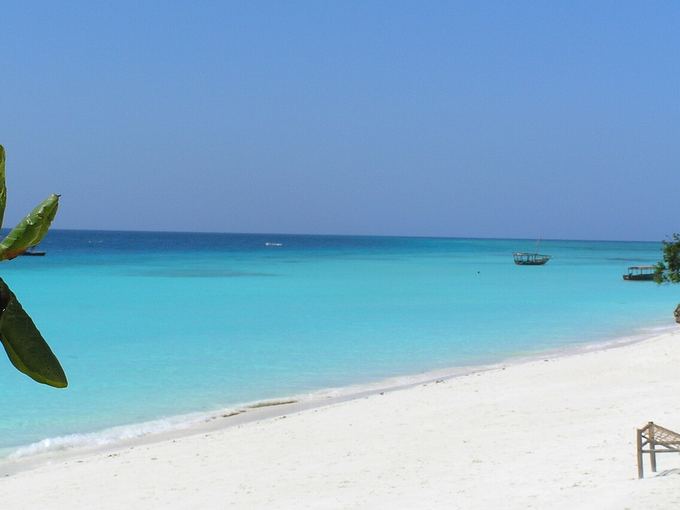
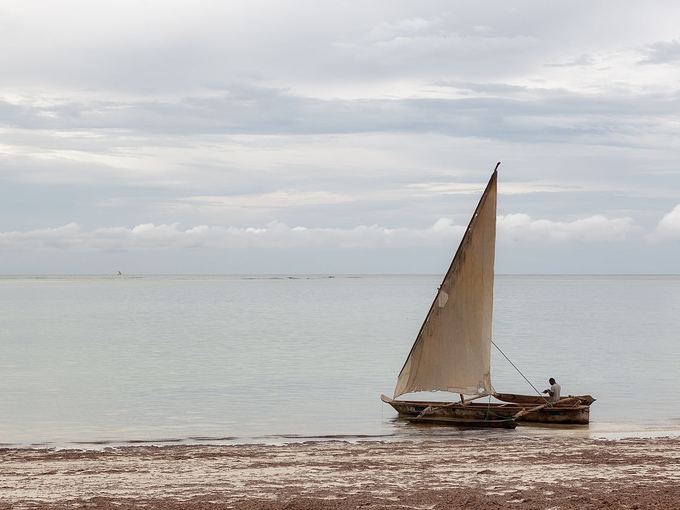
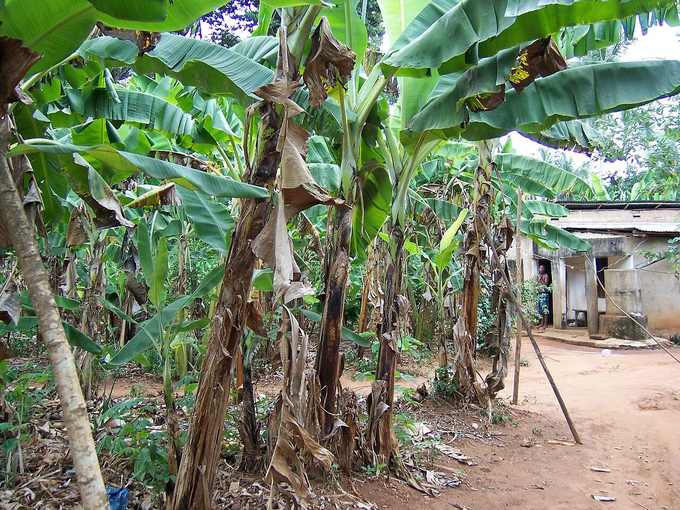
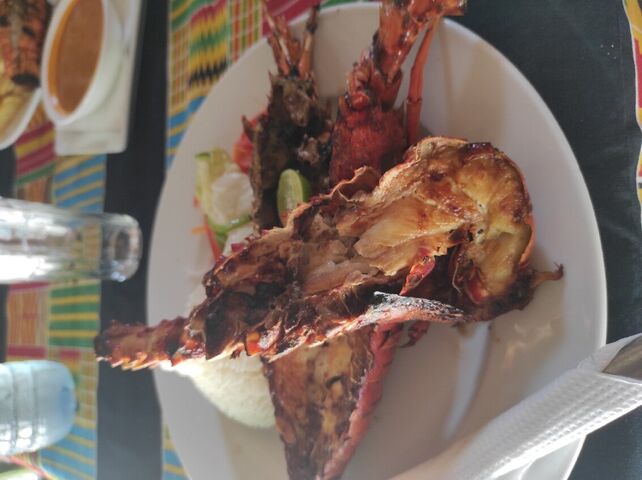
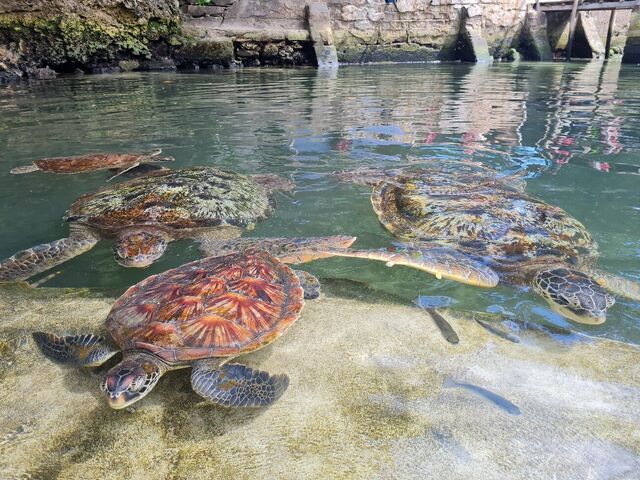
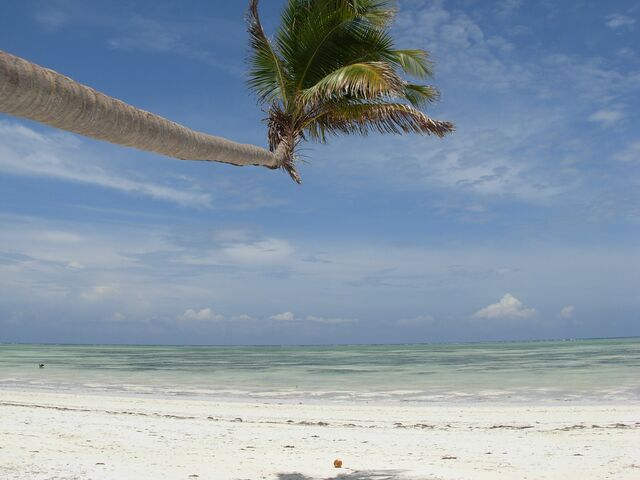
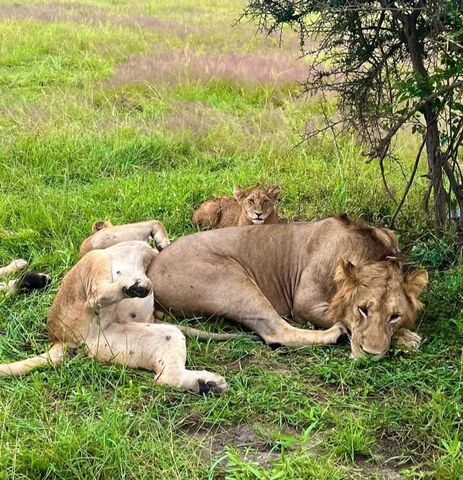
Beach Relaxation
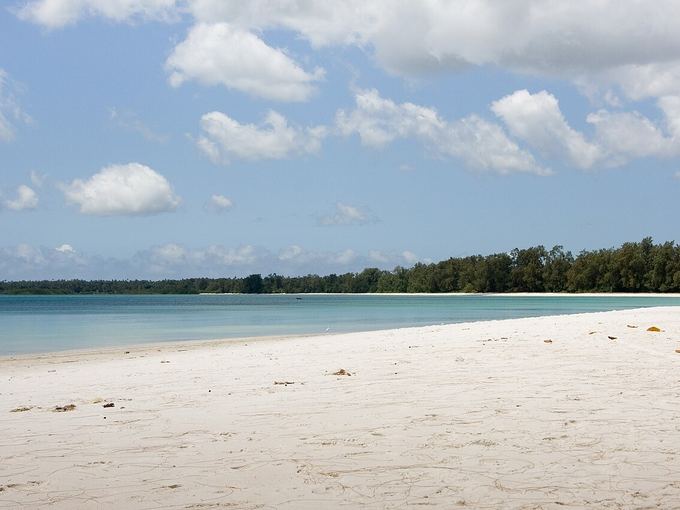
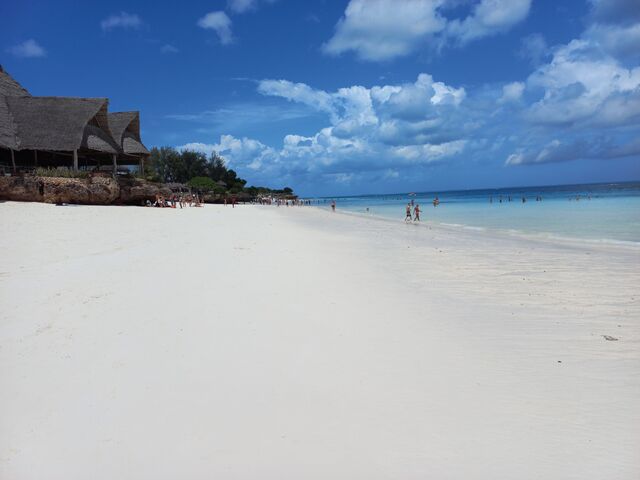
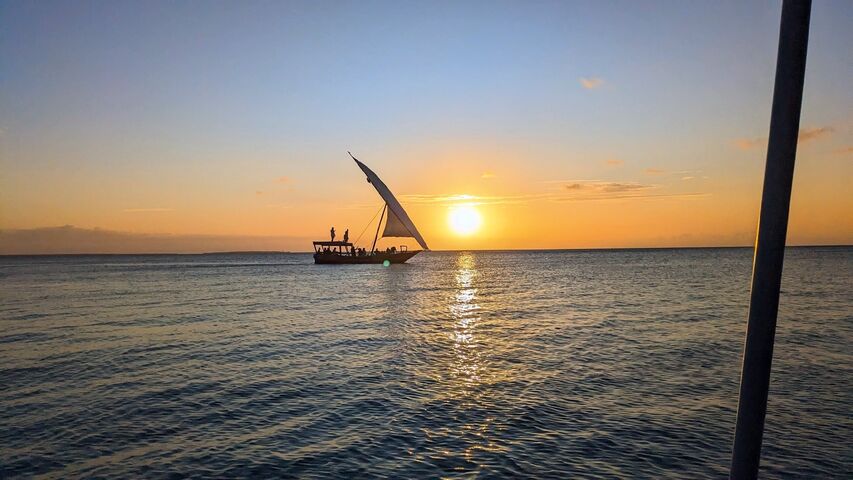
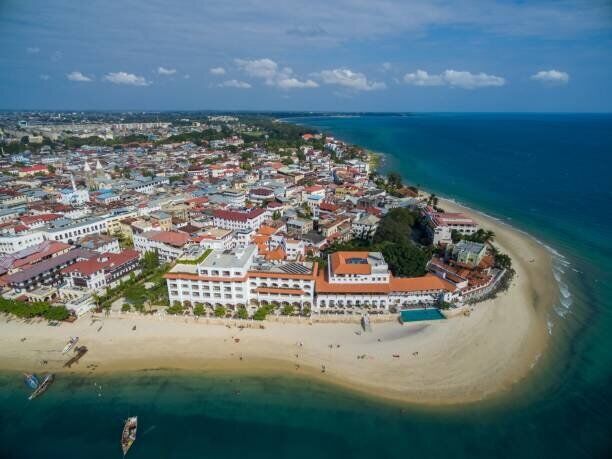
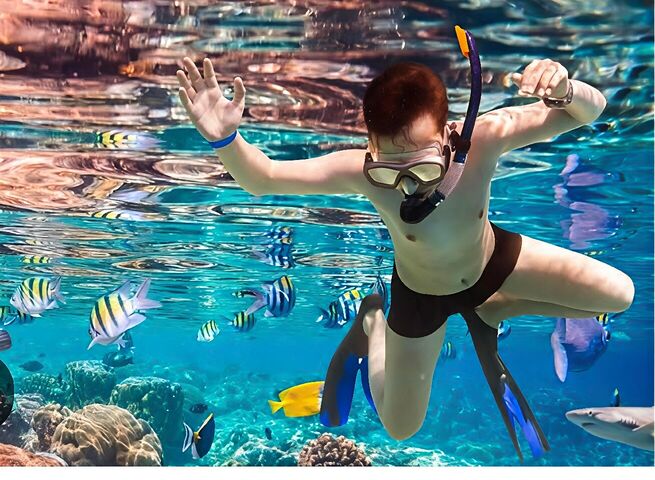
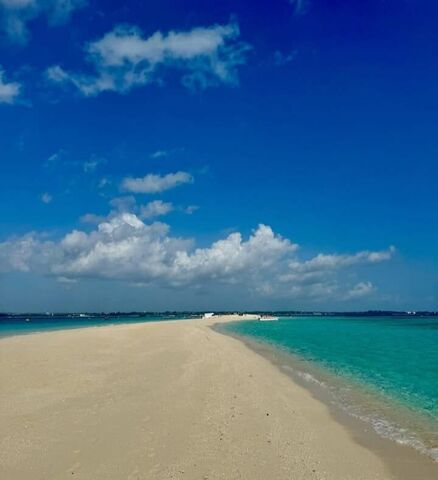
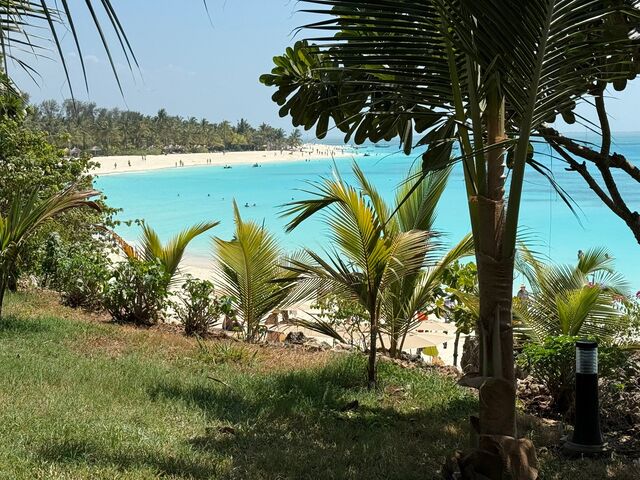
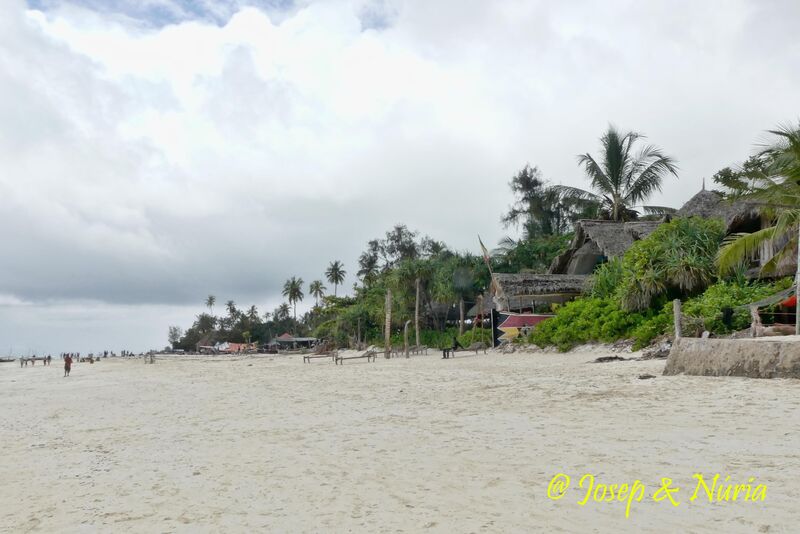
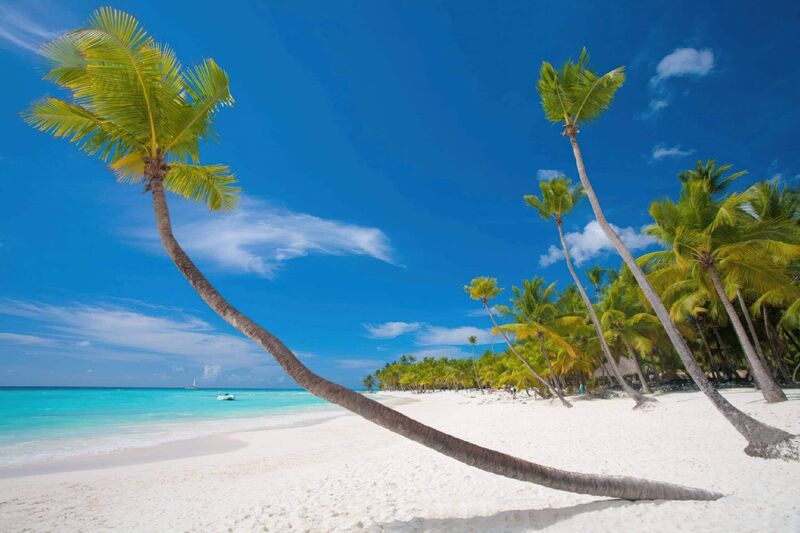
Unwind on powdery white sands, soak up the tropical sun, and let the gentle ocean waves soothe your soul.
Discover Beaches →
Crystal-clear waters, pristine beaches, rich culture, and unforgettable adventures await you in magical Zanzibar.
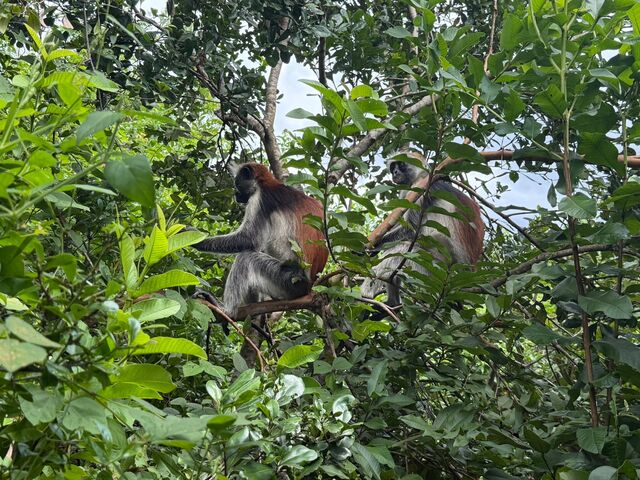
Jozani Forest Zanzibar, also known as Jozani Chwaka Bay National Park, is Zanzibar’s only national park and the sole place on earth where you can see the endangered Zanzibar red colobus monkey. Key things to do here include guided forest walks along nature trails, a mangrove boardwalk, birdwatching across more than 40 species, wildlife spotting, and learning about the forest’s medicinal plants. The park covers 50 square kilometres and is open every day, making it a practical half-day addition to almost any Zanzibar itinerary in 2026.
The park area covers 50 square kilometres and is home to the largest remaining stand of near-natural forest in Zanzibar. Despite its compact size, the range of habitats inside is considerable. Jozani Chwaka Bay National Park is made up of mostly mangrove forests, tropical forests, coral reefs, evergreen bushland, and salt marshes. It contains about 100 tree species from a total of 43 families, and the forest covers over 2,512 hectares that include groundwater forest, coral rag forest, and salt marsh areas.
The mangrove forests encircling Jozani Chwaka Bay National Park serve as essential breeding grounds for a variety of marine life, including species of open sea fish. Because of the bay’s exceptional natural, biological, and cultural values, it is also being considered for inclusion on Tanzania’s Tentative List of World Heritage Sites and designation as a Ramsar Site.
| Activity | Duration | Difficulty | Approx. Cost | Best Season |
|---|---|---|---|---|
| Guided Forest Nature Walk | 1 to 2 hours | Easy | Included in entry fee | Year-round (dry season preferred) |
| Mangrove Boardwalk | 30 to 45 minutes | Easy | Included in entry fee | Year-round |
| Red Colobus Monkey Watching | 30 to 60 minutes | Easy | Included in entry fee | Year-round (morning best) |
| Birdwatching | 1 to 2 hours | Easy | Included in entry fee | June to September |
| Medicinal Plant Tour | 45 to 60 minutes | Easy | Included in entry fee | Year-round |
| Combined Jozani and spice farm tour | half day | Easy | $40 to $90 per person | Year-round |
Jozani Forest is the only place in the world where you can find the endangered red colobus monkey. The park is home to over 1,000 Zanzibar red colobus (Procolobus kirkii), also known as Kirk’s red colobus, as well as Sykes monkeys, bush babies, more than 50 butterfly species, and more than 40 bird species.
Sightings are generally reliable, but the time of day matters. Arriving before 9:00 AM transforms the experience. The air is cool, the crowds have not yet arrived, and the red colobus monkeys are active and feeding rather than sleeping in the canopy. These primates are endemic to the island, found nowhere else on earth.
Apart from the rare red colobus monkeys, other wildlife species that travellers can spot include bush babies, antelopes, blue vervet monkeys, duikers, and Sykes monkeys. Each ecosystem holds its own population, including birds with iridescent wings, blue duikers (small antelope), rare butterflies, and the Zanzibar leopard, thought extinct but occasionally glimpsed in hushed local stories.

It is forbidden to stray from the paths without an authorised guide in order to protect the species. A network of multiple natural pathways allows visitors to stroll through the woodland. Guided nature walks can take anything from one to two hours or more depending on your pace and preference. During these walks, you can spot a number of plant species with medicinal value, flowers, butterflies, and a number of bird species.
The mangrove boardwalk is a separate section that many visitors accidentally skip. Make sure you cross the road to do the mangrove boardwalk; it is part of the ticket but often missed. The conservation authority has built a bridge to allow visitors to observe the wildlife without trampling on it. Some visitors also spot mangrove crabs and tidal fish near the boardwalk.
Jozani forest is also a natural pharmacy and an amazing source of natural remedies. Every tree or plant cures something, and your experienced guide will lead you through the network of paths and give you surprising information on each plant’s use.
Once you have paid your entry fee, you can access the park and enjoy birdwatching. With over 40 bird species in Jozani Forest, birdwatching is one of the rewarding activities to do while visiting. Some of the birds you may spot include Brown Headed Parrots, Mouse Coloured Sunbirds, Mangrove Kingfishers, and Black Bellied Starlings.
Be sure to have a bird guide with you, and carry a good pair of binoculars. Early morning visits between June and September offer the best combination of dry weather and active wildlife. The mangroves are great places for birds to breed, so the boardwalk section is particularly productive for birdwatchers.
You can visit the park all year round from 7:30 am to 5:00 pm every day. That said, some months are more comfortable than others.
| Month | Season | Conditions | Recommendation |
|---|---|---|---|
| January to February | Dry (short) | Hot, low humidity | Good |
| March to May | Long rains | Heavy rain, muddy trails | Less ideal |
| June to September | Dry season | Cooler, low rainfall | Best time |
| October to November | Short rains | Intermittent showers | Moderate |
| December | Dry (short) | Warm, mostly dry | Good |
The dry season from June to September is recommended for tours to the destination compared to the rainy season. From June to September, it is the dry season in Zanzibar, and rainy days make the park trails far less enjoyable to walk through. If you are visiting during the wet season, paths can become muddy, so go with water shoes or sandals that you can get dirty, as it is a tropical weather forest with muddy areas where you will walk.

The Jozani forest lies 35 kilometres south-east from Zanzibar City between Chwaka Bay and Uzi Bay. The entrance to the forest is located north of Pete hamlet on the main route connecting Zanzibar Town with the southern section of the east coast.
The different ways to get to Jozani Forest include using a taxi or dala dala, and the national park is about 35 kilometres from Stone Town. The easiest way to reach the national park is as part of an organised tour. Most hotels all around the island offer guided tours. Arriving independently is possible; you simply arrange your own transport and pay the entry fee at the gate.
Jozani Forest is easily reachable from Stone Town, Jambiani, Paje, and Michamvi. Travellers note its convenient location between Stone Town and beach resorts. If you are staying on the south-east coast near Paje or Jambiani, the park is only a short drive away and easy to include as a morning stop before or after a beach day.
Entry is around $10 USD per adult, and the fee includes a local guide trained in conservation and forest ecology. Although you can arrive at Jozani Forest on your own, it is not possible to visit without a tour guide. You do not need to pay extra for one as it is already included in the price.
| Cost Item | Approx. Price (USD) | Notes |
|---|---|---|
| Park Entry (adult, incl. guide) | $10 to $12 | Guide is mandatory and included |
| Return taxi from Stone Town | $20 to $35 | Negotiate before departure |
| Dala dala (shared minibus) | $1 to $3 | Cheapest option, slower |
| Organised half-day tour (entry incl.) | $40 to $90 | Includes transport and sometimes lunch |
| Combined Jozani and Spice Farm tour | $50 to $100 | Full morning, widely available |
| Combined Jozani, Spice Farm and Stone Town | $70 to $120 | Full-day tour, transport included |
Arrive by 08:30 AM. The red colobus monkeys are active and eating. By 11:00 AM, they are sleeping high in the trees and the busloads of tourists arrive. Planning your visit around this window gives you the best wildlife sightings and a quieter experience on the trails.
Visitors enjoy the well-maintained walkways but recommend sturdy shoes for wet conditions. Since it is most likely to be hot and humid, wear loose clothes and shoes that cover your feet to protect yourself from mosquitoes and other creatures. The forest guide is provided at no extra cost, and you should not pay a “fixer” on the road, as the entrance fee of approximately $12 already includes an official park ranger guide.
You can combine a Jozani Forest trip with other tours like a Spice Farm visit, Stone Town tours, and others. The Jozani Forest tour can also be completed en route to Paje and other southern Zanzibar locations, making it
Zanzibar family holidays in 2026 offer a strong mix of beach days, water activities, wildlife encounters, cultural excursions, and resort amenities well suited to children of all ages. Top activities for families include snorkelling at Mnemba Atoll, visiting Jozani Forest to spot red colobus monkeys, exploring Stone Town, spice farm tours, dhow cruises, dolphin watching near Kizimkazi, and beach swimming at Nungwi or Kendwa. The island is a safe and welcoming destination for children, with hotels that offer spacious family rooms, kid-friendly amenities, and beachfront locations perfect for little swimmers. Many families find a 7 to 9 day stay in Zanzibar ideal for balancing beach time with excursions, and the island is easy to combine with a Tanzania mainland safari.
Zanzibar is a safe and fun family destination with plenty of kid-friendly activities. The range of options covers children of different ages and interests, from toddlers in the shallows to older kids ready for snorkelling and nature walks.
| Activity | Duration | Difficulty | Approx. Cost (per person) | Best Season |
|---|---|---|---|---|
| Beach swimming (Nungwi/Kendwa) | Half or full day | Easy | Free | Jun–Oct, Dec–Feb |
| Snorkelling at Mnemba Atoll | Half day | Easy–Moderate | $20–$60 | Jun–Oct |
| Jozani Forest red colobus walk | 2–3 hours | Easy | $10–$15 | Year-round |
| Spice farm tour | Half day | Easy | $10–$20 | Year-round |
| Stone Town guided walk | 3–4 hours | Easy | $10–$25 | Jun–Oct, Dec–Feb |
| Dhow sunset cruise | 2–3 hours | Easy | $20–$40 | Jun–Oct |
| Dolphin watching (Kizimkazi) | Half day | Easy | $25–$50 | Year-round |
| Sandbank picnic excursion | Half day | Easy | $30–$70 | Jun–Oct |
| Kayaking | 1–2 hours | Easy–Moderate | $15–$30 | Jun–Oct |
Fumba Village cultural experiences welcome families to take part in traditional crafts like palm-leaf weaving and coconut husking, and children particularly enjoy learning to play local percussion instruments and joining fishing net mending demonstrations. For wildlife, Jozani Chwaka Bay National Park offers a unique adventure with its rich biodiversity, including the rare red colobus monkeys. Some of the more adventurous activities, like windsurfing and kitesurfing, have age restrictions, but there are many alternatives suitable for younger children, such as kayaking and boat trips, and most hotels on the island provide access to PADI diving centres, many of which can cater to children as young as eight.
Children aged 3 and above will get a lot from the beaches and nature walks, while for snorkelling and sandbank fun, kids aged 6 and up tend to be more engaged.
Not all of Zanzibar’s beaches behave the same way, and tides play a significant role in which stretches work best for young children. Choosing the right beach can make a notable difference to your family’s daily experience.
Kendwa Beach is famous for its minimal tide, offering all-day swimming unlike most Zanzibar beaches. This makes it particularly suitable for families with toddlers and younger children who need consistent, predictable shallow water. Beaches like Kendwa and Nungwi are known for calmer, shallow waters ideal for children, and most guests note the safe shallow waters and natural shade after noon.
Zanzibar is an incredibly tidal island, which comes with beautiful coral reef, creating the chance for a unique walk on the beach where you can discover rock pools, find beautiful shells, and much more. On beaches with more pronounced tides, this low-tide exploration adds a free and engaging activity for children. Tides in Zanzibar shift daily, so check tide timings if planning beach walks or sandbank trips, and bring water shoes or reef sandals, especially for little feet exploring rock pools or coral flats.
Zanzibar works well as a standalone beach destination, but it also pairs naturally with mainland Tanzania for families wanting a broader trip. Tagging Zanzibar onto a safari is straightforward, especially as it is an internal flight. Zanzibar combines very well with safari in both Tanzania and Kenya, with daily flights and a light aircraft flight from Dar es Salaam taking only 20 minutes.
The island boasts a rich cultural heritage, with opportunities to explore historic Stone Town, enjoy spice tours, and visit the Jozani Forest to see the rare red colobus monkeys. On a spice tour, you walk through fragrant plantations learning to identify cinnamon, nutmeg, and vanilla plants, while your guide demonstrates traditional farming techniques and explains how these spices shaped the island’s history. Children tend to engage well with hands-on spice identification and the chance to taste fresh fruit directly from the trees.
Many of the coral reefs are protected marine parks, providing an excellent educational opportunity for older children to see the rich life the Indian Ocean has to offer. A half-day trip to Mnemba Island for a sandbank picnic, snorkelling among fish, and possibly spotting dolphins is a popular choice, and choosing low-tide timings provides easiest access and the shallowest reef areas.
Many resorts offer supervised kids’ clubs with diverse activities, giving children fun-filled days and parents some well-deserved relaxation time. The choice of resort area matters as much as the property itself, with the north coast and southeast coast both offering strong options for families.
Pongwe Beach Hotel is one of Zanzibar’s most family-friendly resorts precisely because it is small, peaceful, and safe, with child-safe tidal shallows, beachfront rooms that keep families close together, and staff who warmly welcome kids. For a larger, more structured experience, several all-inclusive family resorts such as Baraza Resort and Spa provide dedicated kids’ clubs, babysitting services, and supervised cultural and beach activities so parents can relax. Children will be entertained by the Baraza Kids Club, where guests under 12 can enjoy a variety of activities and games in an air-conditioned space including ping-pong, table football, and a pool table suitable for children.
Gold Zanzibar Beach House and Spa is located on the tideless white-sand Kendwa Beach and, built on a vast area, is home to just 76 rooms, allowing guests to enjoy maximum relaxation and privacy. Families who want cultural depth and child-friendly exploration will find Chuini Zanzibar Lodge appealing, as the grounds include historic palace ruins giving children a sense of adventure, while parents enjoy ocean views and spacious villas.
Zuri Zanzibar offers family villas with multiple bedrooms, Baraza Resort and Spa has spacious suites with separate living areas, while Pongwe Beach Hotel and Chuini Zanzibar Lodge feature large rooms that comfortably accommodate parents and children.
Guesthouses and locally run properties in Nungwi or Jambiani. Basic amenities, direct beach access, and a slower pace. Suits independent families comfortable arranging day trips separately.
Properties like Kendwa Rocks or Pongwe Beach Hotel. Private rooms, pools, family-friendly atmosphere, and direct beach access. Good balance of comfort and value for a 7–10 night stay.
Baraza Resort and Spa, Gold Zanzibar, Zuri Zanzibar. Kids’ clubs, babysitting, private pools, fine dining, and full activity programmes. Best for families wanting everything handled in one property.
The best time to visit Zanzibar is from June to October during the cool, dry season with minimal rainfall and warm weather and sea temperatures. Temperatures during this period range between 25°C and 30°C with relatively low humidity, days are consistently sunny allowing full enjoyment of beaches and aquatic activities, and sea breezes prevent the heat from becoming oppressive, making it ideal for outdoor activities with children.
January and February, when it is hot and dry, are also popular months to visit Zanzibar, with temperatures slightly higher and rainfall still minimal. These months fall within the northern hemisphere’s school holiday window, making them a practical choice for families travelling from the UK or Europe.
| Month | Weather | Family Suitability | Crowd Level | Price Level |
|---|---|---|---|---|
| January | Hot, dry | Excellent | High | High |
| February | Hot, dry | Excellent | Moderate–High | Moderate–High |
| March | Rains begin | Poor–Moderate | Low | Low |
| April | Heavy rain | Poor | Very low | Very low |
| May | Rain easing | Poor–Moderate | Low | Low |
| June | Dry season begins | Good–Excellent | Moderate | Moderate |
| July | Dry, sunny | Excellent | High | High |
| August | Dry, cooler | Excellent | High | High |
| September | Dry, clear | Excellent | Moderate | Moderate |
| October | Dry, warm | Very good | Moderate | Moderate |
| November | Short rains | Moderate | Low | Low |
| December | Drying out | Good–Excellent | High (holidays) | High |
The cheapest months to visit Zanzibar are March, April, and May, with prices 30–40% lower than peak season, though the long rains in April and May mean many beach resorts close. September and early October offer the best balance of dry weather and thinner crowds for a more intimate experience.
A Zanzibar holiday costs $700–$1,200 per week for budget travellers, $1,800–$3,500 for mid-range travellers, and $4,000–$10,000 or more for luxury travellers, depending on accommodation, activities, and season. These figures are per person, excluding international flights. For a family of four, plan to multiply accordingly, though children’s rates and family room pricing at resorts can reduce overall per-person costs.
| Cost Item | Budget | Mid-Range | Luxury |
|---|---|---|---|
| Accommodation (per room/night) | $20–$50 | $60–$150 | $200–$800+ |
| Meals (per person/day) | $5–$15 (local) | $20–$40 | $50–$100+ |
| Local transport (per day) | $5–$10 | $20–$40 | $50–$100 |
| Snorkelling trip (per person) | $20–$30 | $40–$60 | $80–$120 |
| Spice farm tour (per person) | $10 | $15–$20 |
The best Zanzibar family holidays combine beach days on calm, swimmable shores, wildlife encounters in Jozani Forest, spice farm tours, snorkelling trips, Stone Town exploration, dhow cruises, and visits to Prison Island’s giant tortoises. Zanzibar offers a perfect mix of beach and outdoor activities for family vacations. Many families find a 7 to 9 day stay ideal for blending adventure and relaxation. The island sits off the east coast of Tanzania in the Indian Ocean and is well served by international airlines, making it one of East Africa’s most accessible family beach destinations in 2026.
Children can enjoy snorkelling, swimming, dhow boat cruises, spice farm tours, visiting Jozani Forest, kayaking, and exploring local villages. Many activities are educational and hands-on, giving kids a fun introduction to local culture, wildlife, and marine life without being overwhelming. The table below summarises the key activities for families planning a 2026 trip to Zanzibar.
| Activity | Duration | Difficulty | Approx. Cost Per Person | Best Season |
|---|---|---|---|---|
| Beach swimming (Nungwi/Kendwa) | All day | Easy | Free | Year-round |
| Spice farm tour | Half day | Easy | $20–$35 | Jun–Oct, Dec–Feb |
| Prison Island (giant tortoises) | Half day | Easy | $15–$25 | Year-round |
| Jozani Forest (red colobus monkeys) | Half day | Easy | $10–$20 | Jun–Oct |
| Snorkelling (Mnemba Atoll area) | Half day | Easy–Moderate | $30–$60 | Jun–Oct, Dec–Feb |
| Dhow sunset cruise | 2–3 hours | Easy | $25–$50 | Year-round |
| Stone Town guided tour | Half day | Easy | $20–$40 | Year-round |
| Dolphin watching (Kizimkazi) | Half day | Easy | $25–$45 | Jun–Oct |
Not all of Zanzibar’s beaches are equally suited to children. Tidal patterns vary significantly around the island, and choosing the right beach is the single most practical planning decision a family can make.
Nungwi is known for its calm tides and long sandy stretches, making it ideal for swimming with children, and the beach offers family-friendly resorts with kids’ clubs. Unlike many beaches in Zanzibar, Kendwa does not experience extreme tides, making it safe for children to swim at any time of day. Kendwa has minimal tidal changes, which creates excellent conditions for swimming and sunbathing throughout the day.
At Paje Beach on the east coast, the shallow turquoise waters create a warm paddling area for young children at low tide, and families can relax on the soft white sand accessible from the village. Kuza Cave near Jambiani features a freshwater pool where children can swim, with a shallow entry point that makes it accessible for younger swimmers under parental supervision.
North coast beaches like Nungwi and Kendwa are the best for children; parents should avoid letting kids swim unsupervised and provide water shoes to protect against sea urchins. Zanzibar’s waters are generally safe, with the main concern being sea urchins in shallow areas.
A short boat ride from Stone Town, Prison Island is a favourite for families, where kids can see giant Aldabra tortoises some over 100 years old, and the calm waters make it a safe spot for short swims.
Jozani Chwaka Bay National Park is a rewarding family stop where families can explore mangrove forests and spot the famous red colobus monkeys, making it both educational and fun. Spice farm tours turn learning into fun, as children love smelling fresh cinnamon, tasting tropical fruits, and seeing how everyday spices grow.
Fumba Village cultural experiences welcome families to participate in traditional crafts like palm-leaf weaving and coconut husking, and children particularly enjoy learning local percussion instruments and joining fishing net mending demonstrations. Families can also join guided walking tours in Stone Town to explore narrow alleys, taste the island’s street food, and learn about history in a storytelling style.
Near Jozani Forest, a butterfly conservation centre houses dozens of butterfly species native to Zanzibar, providing a calm and engaging stop that suits all age groups without requiring physical exertion.
Whether families want all-inclusive resorts with kids’ clubs or peaceful boutique stays where families can reconnect, Zanzibar has a wide range of family-friendly hotels that accommodate every type of parent and child traveller.
For families who want structured activities and entertainment for kids, Baraza Resort and Spa is among Zanzibar’s most child-friendly all-inclusive resorts. Baraza Resort and Spa provides dedicated kids’ clubs, babysitting services, and supervised cultural and beach activities so parents can relax.
Pongwe Beach Hotel is one of Zanzibar’s most family-friendly resorts precisely because it is small, peaceful, and safe, with child-safe tidal shallows and beachfront rooms that keep families close together. Kendwa Rocks offers one of Zanzibar’s safest swimming beaches with no extreme tides and no steep drop-offs, and families enjoy pizza nights, live music, and spacious rooms.
Baraza Resort and Spa blends Swahili-inspired architecture with world-class family amenities, including private villas with their own pools and unique cultural experiences such as guided spice tours and traditional dance performances. Tulia Resort has two swimming pools and the only waterslides in Zanzibar, welcomes children, and offers air-conditioned, fully closable rooms for a secure environment.
Kendwa Rocks, Pongwe Beach Hotel
From ~$80/night
Safe beaches, family rooms, local atmosphere
Gold Zanzibar, Sunshine Marine Lodge
From ~$150–$250/night
Kids’ clubs, pools, organized excursions
Baraza Resort and Spa, Meliá Zanzibar, The Residence Zanzibar
From ~$400+/night
Private villas, all-inclusive, supervised kids’ programmes
The best times to visit are during the two dry seasons, from June to October and December to February, offering sunshine and blue skies, with July being a particularly popular month for families. Peak or high season generally runs over Christmas and New Year, and from about July to October. Prices and occupancy at family resorts reflect these peaks, so booking well in advance is advisable for school holidays.
| Month | Weather | Family Suitability | Crowds | Cost Level |
|---|---|---|---|---|
| January | Hot, dry | Excellent | Moderate | Mid–High |
| February | Hot, dry | Excellent | Moderate | Mid |
| March | Warm, transitional | Good | Low | Low–Mid |
| April | Heavy rains | Poor | Very Low | Low |
| May | Heavy rains | Poor | Very Low | Low |
| June | Dry, cooler | Excellent | Moderate | Mid |
| July | Dry, warm | Excellent | High | High |
| August | Dry, warm | Excellent | High | High |
| September | Dry, warm | Excellent | Moderate–High | High |
| October | Dry, warm | Good | Moderate | Mid |
| November | Short rains | Fair | Low | Low |
| December | Warm, dry | Excellent | High | High |
A Zanzibar holiday costs $700–$1,200 per week for budget travellers, $1,800–$3,500 for mid-range travellers, and $4,000–$10,000 or more for luxury travellers, depending on accommodation, activities, and season. Accommodation ranges from $20–$50 per person per night for guesthouses, $60–$150 for mid-range hotels, and $200–$1,000 or more per person per night for high-end resorts and private villas.
| Cost Item | Budget | Mid-Range | Luxury |
|---|---|---|---|
| Accommodation (per person/night) | $20–$50 | $75–$150 | $200–$800+ |
| Meals (per day) | $15–$25 | $30–$60 | Included (all-incl.) |
| Airport transfers | $15–$25 | $30–$50 | $50–$100 |
| Spice farm tour | $20–$30 | $30–$40 | $40–$60 (private) |
| Jozani Forest entry | $10 | $10–$20 | $20–$30 (guided) |
| Prison Island trip | $15–$25 | $25–$40 | $40–$60 (private) |
| Snorkelling trip | $25–$40 | $40–$60 | $60–$100 (private) |
| Dhow cruise | $20–$30 | $35–$55 | $60–$120 (private) |
| Tanzania visa (on arrival) | $50–$100 | $50–$100 | $50–$100 |
| Total (7 nights, per person) | $700–$1,200 | $1,800–$3,500 | $4,000–$10,000+ |
Guesthouses or mid-tier self-catering, shared transport, local restaurants, group excursions. Total estimate: $2,800–$4,800 excluding flights.
3–4 star beach resort with some meals included, private transfers, 3–4 guided excursions. Total estimate: $7,200–$14,000 excluding flights.
All-inclusive 5-star resort with villa or suite, private excursions, dedicated kids’ club. Total estimate: $16,000–$40,000+ excluding international flights.
Holidays to Zanzibar offer beach time on the Indian Ocean, guided tours of Stone Town, snorkeling and diving around Mnemba Island, spice farm visits, dolphin watching, dhow sunset cruises, excursions to Prison Island, and wildlife walks in Jozani Forest. Travelers choose Zanzibar for its world-class beaches, rich Swahili culture, historical Stone Town, spice farms, marine life, and warm weather year-round. Most travelers book 7-day holidays to Zanzibar, allowing time for Mnemba Island, Prison Island, Stone Town, Jozani Forest, and relaxing at beaches like Nungwi or Paje. It also provides excellent value for money compared to destinations like Seychelles or Maldives.
People often assume a vacation in Zanzibar means just lying on the beach, but there is a lot more to the island. From visiting a spice farm and spotting rare monkeys in Jozani Forest to learning about the island’s history in Stone Town, Zanzibar also offers scuba diving, snorkeling, kitesurfing, and kayaking, as well as boat tours to sandbanks.
Marine activity is a major draw, with Mnemba Atoll and the famous Safari Blue Tour combining dolphin watching, snorkeling, and fresh seafood. Zanzibar’s spice farms invite visitors to experience the island’s agricultural heritage, while sunset dhow cruises, traditional Swahili cooking classes, and live music performances offer deeper cultural experiences.
| Activity | Duration | Difficulty | Approx. Cost (per person) | Best Season |
|---|---|---|---|---|
| Beach relaxation (Nungwi/Paje) | Full day | Easy | Free to $20 | Year-round |
| Snorkeling at Mnemba Atoll | Half day | Easy | $40–$70 | Jun–Oct, Jan–Feb |
| Scuba diving | Half day | Moderate | $60–$120 | Jun–Oct |
| Stone Town walking tour | Half day | Easy | $15–$50 | Year-round |
| Spice farm tour | Half day | Easy | $20–$40 | Jul–Sep (harvest) |
| Jozani Forest walk | Half day | Easy | $15–$30 | Jun–Oct |
| Prison Island excursion | Half day | Easy | $25–$50 | Year-round |
| Safari Blue Tour | Full day | Easy | $60–$90 | Jun–Oct |
| Kitesurfing in Paje | Half–full day | Moderate–Hard | $60–$150 | Jun–Sep |
| Sunset dhow cruise | 2–3 hours | Easy | $30–$60 | Year-round |
Zanzibar’s east coast is home to the island’s most idyllic beaches and a wide range of lodges. The north coast, as a rule, becomes more private and less crowded the further north you travel, and is also least affected by tidal variation.
Running along the western coast to the northern tip of Zanzibar is Nungwi Beach, known for its sugary white sand and clean water. On beaches like Paje, Jambiani, and Matemwe, the tide goes very far out during the day, so if you want swimming all day, stay in Nungwi or Kendwa. The north-east coast is the island’s prime location, home to most of Zanzibar’s top-end accommodation, with excellent diving and the archipelago’s best reefs at Mnemba Island just offshore.
Mnemba Island is a tiny islet surrounded by an oval reef, privately owned and known for excellent scuba diving around its coral network. Although Mnemba Island is privately owned, the reef is open to everyone and is a popular day excursion from Zanzibar. For accommodation, costs in Zanzibar range from $50 to $800 per person per night, with budget travelers finding hostels and guesthouses for as low as $20 to $50 per night.
Stone Town, a UNESCO World Heritage Site, and Prison Island are must-visit spots for cultural exploration, while Jozani Forest offers encounters with the endangered red colobus monkeys.
The historical section of Stone Town is a UNESCO World Heritage site, with narrow streets and most of the houses bordering them being more than a century and a half old, standing witness to times long past. Stone Town visits typically include the ancient slave market and cells, the National Museum, the House of Wonders, the Old Fort, the Sultan’s Palace, as well as cathedrals and mosques.
Jozani Forest is in the south of the island and is the largest area of mature forest in Zanzibar, where a guide walks visitors around ancient hardwood forest and mangrove swamps. It is home to the Red Colobus monkeys, unique to Zanzibar, with fewer than 2,000 remaining in the world. Prison Island (also called Changuu Island) was originally constructed in 1893 to house violent prisoners from the mainland, but was instead used as a quarantine facility during yellow fever epidemics that swept the region. Visitors can tour the tortoise sanctuary, which contains a large colony of giant tortoises from the Seychelles, present on the island since the late 19th century.
The best time to visit Zanzibar is during the dry season from June to October, which coincides with safari high season in Tanzania, making the Zanzibar Archipelago a popular post-safari choice. The long dry season brings consistent blue skies, comfortable heat, low humidity, and calm seas, ideal for beach holidays, island activities, and safari combinations.
| Month | Weather | Sea Conditions | Crowds | Prices | Verdict |
|---|---|---|---|---|---|
| January | Hot and dry | Calm, clear | Medium | Mid-range | Good |
| February | Hottest month, dry | Excellent for diving | Medium | Mid-range | Very Good |
| March | Long rains begin | Variable | Low | Lower | Budget only |
| April | Heavy rains | Rough | Very Low | Lowest | Avoid for beach |
| May | Rains easing | Improving | Low | Low | Budget option |
| June | Dry season starts | Calm | Building | Rising | Excellent |
| July | Cool and dry | Excellent | High | Peak | Best season |
| August | Cool and dry | Excellent | Peak | Peak | Best season |
| September | Dry, pleasant | Excellent | Easing | Slightly lower | Excellent |
| October | Warm, dry ending | Good | Lower | Reasonable | Good value |
| November | Short rains start | Variable | Low | Low | Budget option |
| December | Drier late month | Good | High (late month) | Rising sharply | Good to Dec 20 |
January and February, when it is hot and dry, are also popular months to visit Zanzibar, with temperatures slightly higher and rainfall still minimal, though with a more relaxed atmosphere than the peak summer months. The long rainy season from March to May is the most challenging period for tourism. July and August are peak season, so if you want the same weather without the crowds, aim for September or early October.
A Zanzibar holiday costs $700 to $1,200 per week for budget travelers, $1,800 to $3,500 for mid-range travelers, and $4,000 to $10,000 or more for luxury travelers, depending on accommodation, activities, and season. Prices per person per day start at around $220 for budget-comfortable accommodations, with mid-range starting at $350 and luxury starting at $600, rising to $3,000 per person per day for private island accommodation in peak periods.
| Cost Item | Budget | Mid-Range | Luxury | |||||||||||||||||||||||||||||||||||||||||||||||||||||||||||||||||||||||||||||||||||||||||||||||||||||||||||||||||||||||||||||||||||||||||||||||||||||||||||||||||||||||||||||||||||||||||||||||||||||||||||||||||||||||||||||||||||||||||||||||||||||||||||||||||||||||||||||||||||||||||||||||||||||||||||||||||||||||||||||||||||||||||||||||||||||||||||||||||||||||||||||||||||||||||||||||||||||||||||||||||||||||||||||||||||||||||||||||||||||||||||||||||||||||||||||||||||||||||||||||||
|---|---|---|---|---|---|---|---|---|---|---|---|---|---|---|---|---|---|---|---|---|---|---|---|---|---|---|---|---|---|---|---|---|---|---|---|---|---|---|---|---|---|---|---|---|---|---|---|---|---|---|---|---|---|---|---|---|---|---|---|---|---|---|---|---|---|---|---|---|---|---|---|---|---|---|---|---|---|---|---|---|---|---|---|---|---|---|---|---|---|---|---|---|---|---|---|---|---|---|---|---|---|---|---|---|---|---|---|---|---|---|---|---|---|---|---|---|---|---|---|---|---|---|---|---|---|---|---|---|---|---|---|---|---|---|---|---|---|---|---|---|---|---|---|---|---|---|---|---|---|---|---|---|---|---|---|---|---|---|---|---|---|---|---|---|---|---|---|---|---|---|---|---|---|---|---|---|---|---|---|---|---|---|---|---|---|---|---|---|---|---|---|---|---|---|---|---|---|---|---|---|---|---|---|---|---|---|---|---|---|---|---|---|---|---|---|---|---|---|---|---|---|---|---|---|---|---|---|---|---|---|---|---|---|---|---|---|---|---|---|---|---|---|---|---|---|---|---|---|---|---|---|---|---|---|---|---|---|---|---|---|---|---|---|---|---|---|---|---|---|---|---|---|---|---|---|---|---|---|---|---|---|---|---|---|---|---|---|---|---|---|---|---|---|---|---|---|---|---|---|---|---|---|---|---|---|---|---|---|---|---|---|---|---|---|---|---|---|---|---|---|---|---|---|---|---|---|---|---|---|---|---|---|---|---|---|---|---|---|---|---|---|---|---|---|---|---|---|---|---|---|---|---|---|---|---|---|---|---|---|---|---|---|---|---|---|---|---|---|---|---|---|---|---|---|---|---|---|---|---|---|---|---|---|---|---|---|---|---|---|---|---|---|---|---|---|---|---|---|---|---|---|---|---|---|---|---|---|---|---|---|---|---|---|---|---|---|---|---|---|---|---|---|---|---|---|---|---|---|---|---|---|---|---|---|---|---|---|---|---|---|---|---|---|---|---|---|---|---|---|---|---|---|---|---|---|---|---|---|---|---|---|---|---|---|---|---|---|---|---|---|---|---|---|---|---|---|---|---|---|---|---|---|---|---|
| Accommodation (per night) | $20–$50 | $93–$200 | $300–$800+ | |||||||||||||||||||||||||||||||||||||||||||||||||||||||||||||||||||||||||||||||||||||||||||||||||||||||||||||||||||||||||||||||||||||||||||||||||||||||||||||||||||||||||||||||||||||||||||||||||||||||||||||||||||||||||||||||||||||||||||||||||||||||||||||||||||||||||||||||||||||||||||||||||||||||||||||||||||||||||||||||||||||||||||||||||||||||||||||||||||||||||||||||||||||||||||||||||||||||||||||||||||||||||||||||||||||||||||||||||||||||||||||||||||||||||||||||||||||||||||||||||
| Meals (per day) | $10–$20 | $25–$50 | $60–$150 | |||||||||||||||||||||||||||||||||||||||||||||||||||||||||||||||||||||||||||||||||||||||||||||||||||||||||||||||||||||||||||||||||||||||||||||||||||||||||||||||||||||||||||||||||||||||||||||||||||||||||||||||||||||||||||||||||||||||||||||||||||||||||||||||||||||||||||||||||||||||||||||||||||||||||||||||||||||||||||||||||||||||||||||||||||||||||||||||||||||||||||||||||||||||||||||||||||||||||||||||||||||||||||||||||||||||||||||||||||||||||||||||||||||||||||||||||||||||||||||||||
| Local transport (per day) | $1–$10 | $15–$40 | $50–$100 | |||||||||||||||||||||||||||||||||||||||||||||||||||||||||||||||||||||||||||||||||||||||||||||||||||||||||||||||||||||||||||||||||||||||||||||||||||||||||||||||||||||||||||||||||||||||||||||||||||||||||||||||||||||||||||||||||||||||||||||||||||||||||||||||||||||||||||||||||||||||||||||||||||||||||||||||||||||||||||||||||||||||||||||||||||||||||||||||||||||||||||||||||||||||||||||||||||||||||||||||||||||||||||||||||||||||||||||||||||||||||||||||||||||||||||||||||||||||||||||||||
| Snorkeling excursion | $40 | $55–$70 | $100+ | |||||||||||||||||||||||||||||||||||||||||||||||||||||||||||||||||||||||||||||||||||||||||||||||||||||||||||||||||||||||||||||||||||||||||||||||||||||||||||||||||||||||||||||||||||||||||||||||||||||||||||||||||||||||||||||||||||||||||||||||||||||||||||||||||||||||||||||||||||||||||||||||||||||||||||||||||||||||||||||||||||||||||||||||||||||||||||||||||||||||||||||||||||||||||||||||||||||||||||||||||||||||||||||||||||||||||||||||||||||||||||||||||||||||||||||||||||||||||||||||||
| Stone Town tour | $15 | $30–$50 | $80–$120 | |||||||||||||||||||||||||||||||||||||||||||||||||||||||||||||||||||||||||||||||||||||||||||||||||||||||||||||||||||||||||||||||||||||||||||||||||||||||||||||||||||||||||||||||||||||||||||||||||||||||||||||||||||||||||||||||||||||||||||||||||||||||||||||||||||||||||||||||||||||||||||||||||||||||||||||||||||||||||||||||||||||||||||||||||||||||||||||||||||||||||||||||||||||||||||||||||||||||||||||||||||||||||||||||||||||||||||||||||||||||||||||||||||||||||||||||||||||||||||||||||
| Spice farm tour | $20 | $30–$40 | $60+ | |||||||||||||||||||||||||||||||||||||||||||||||||||||||||||||||||||||||||||||||||||||||||||||||||||||||||||||||||||||||||||||||||||||||||||||||||||||||||||||||||||||||||||||||||||||||||||||||||||||||||||||||||||||||||||||||||||||||||||||||||||||||||||||||||||||||||||||||||||||||||||||||||||||||||||||||||||||||||||||||||||||||||||||||||||||||||||||||||||||||||||||||||||||||||||||||||||||||||||||||||||||||||||||||||||||||||||||||||||||||||||||||||||||||||||||||||||||||||||||||||
| Safari Blue Tour | $60 | $75–$90 | $120+ | |||||||||||||||||||||||||||||||||||||||||||||||||||||||||||||||||||||||||||||||||||||||||||||||||||||||||||||||||||||||||||||||||||||||||||||||||||||||||||||||||||||||||||||||||||||||||||||||||||||||||||||||||||||||||||||||||||||||||||||||||||||||||||||||||||||||||||||||||||||||||||||||||||||||||||||||||||||||||||||||||||||||||||||||||||||||||||||||||||||||||||||||||||||||||||||||||||||||||||||||||||||||||||||||||||||||||||||||||||||||||||||||||||||||||||||||||||||||||||||||||
| Tanzania visa fee | $50–$100 | $50–$100 | $50–$100 | |||||||||||||||||||||||||||||||||||||||||||||||||||||||||||||||||||||||||||||||||||||||||||||||||||||||||||||||||||||||||||||||||||||||||||||||||||||||||||||||||||||||||||||||||||||||||||||||||||||||||||||||||||||||||||||||||||||||||||||||||||||||||||||||||||||||||||||||||||||||||||||||||||||||||||||||||||||||||||||||||||||||||||||||||||||||||||||||||||||||||||||||||||||||||||||||||||||||||||||||||||||||||||||||||||||||||||||||||||||||||||||||||||||||||||||||||||||||||||||||||
| Hotel Infrastructure Tax (per night) | $5 | $7–$9 | $11 | |||||||||||||||||||||||||||||||||||||||||||||||||||||||||||||||||||||||||||||||||||||||||||||||||||||||||||||||||||||||||||||||||||||||||||||||||||||||||||||||||||||||||||||||||||||||||||||||||||||||||||||||||||||||||||||||||||||||||||||||||||||||||||||||||||||||||||||||||||||||||||||||||||||||||||||||||||||||||||||||||||||||||||||||||||||||||||||||||||||||||||||||||||||||||||||||||||||||||||||||||||||||||||||||||||||||||||||||||||||||||||||||||||||||||||||||||||||||||||||||||
| International flights (return, economy) | $850–$1,200 | $1,200–$1,800 | $2,500+ | |||||||||||||||||||||||||||||||||||||||||||||||||||||||||||||||||||||||||||||||||||||||||||||||||||||||||||||||||||||||||||||||||||||||||||||||||||||||||||||||||||||||||||||||||||||||||||||||||||||||||||||||||||||||||||||||||||||||||||||||||||||||||||||||||||||||||||||||||||||||||||||||||||||||||||||||||||||||||||||||||||||||||||||||||||||||||||||||||||||||||||||||||||||||||||||||||||||||||||||||||||||||||||||||||||||||||||||||||||||||||||||||||||||||||||||||||||||||||||||||||
| 7-day trip total (excl. flights) | $700–$1,200 | $1,800–$3,500 | $4,000
The best things to do in Stone Town Zanzibar include a guided walking tour of the UNESCO-listed old town, visiting the Old Fort and Slave Market Memorial, taking a boat trip to Prison Island to see giant tortoises, exploring the Forodhani Night Market, touring a spice farm, visiting the Freddie Mercury Museum, browsing Darajani Bazaar, and taking a sunset dhow cruise. Stone Town is the old part of Zanzibar City and a UNESCO World Heritage Site, carrying centuries of Swahili, Arab, Indian, and European history within a walkable area of coral stone lanes and carved wooden doorways. Two full days covers the main attractions comfortably, though three days allows for day trips as well.
Guided Walking Tours of Stone TownA Stone Town walking tour lets you explore UNESCO alleys, mosques, and markets, and roughly 90% of visitors rate it “essential,” taking around three hours and costing $20–$40. The narrow lanes of Stone Town are genuinely difficult to navigate alone, so a local guide makes a significant difference. As you explore, you will quickly notice one of Stone Town’s most famous features: its magnificent carved doors. With over 560 historic doors, these are more than just entrances — they are symbols of wealth, status, and cultural identity. Arab-style doors are typically rectangular and feature intricate geometric patterns, while Indian-style doors often have a rounded top and are adorned with large brass studs, a design originally meant to deter war elephants in India but adopted in Zanzibar as a status symbol. Most guided walking tours stop at the Old Fort, House of Wonders, Palace Museum, Slave Market, and Jaws Corner. Starting at 8:30 AM is recommended to beat the heat. The Old Fort and Forodhani GardensThe oldest building in Stone Town is the Old Fort, constructed around 1700 by Omani Arabs to defend against the Portuguese. Its massive stone walls have served as a garrison, a prison, and even a railway depot. Today, the fort is a cultural hub housing an open-air amphitheater, art galleries, and craft shops, and it is free to enter. The amphitheater inside the fort still sees some use today, and if you are lucky you may catch a live performance on this 400-year-old stage. Directly in front of the fort sits Forodhani Gardens. Forodhani Park is one of the best free places to watch the sunset in Stone Town, located in front of the House of Wonders and the Old Fort. After dark, the gardens transform into a street food market where vendors serve Zanzibar pizza, grilled seafood, sugarcane juice, and local snacks for just a few dollars per dish. The Slave Market Memorial and Anglican CathedralA visit to the site of the former Slave Market is a sobering but worth-your-time experience. This was the last legally operating slave market in East Africa, finally closed in 1873. The Anglican Christ Church Cathedral was built directly on the site as a symbol of hope and freedom, and its altar stands on the exact spot of the market’s main whipping post. You can tour the cathedral and descend into the cramped, dark chambers where enslaved people were held. A powerful memorial sculpture outside serves as a tribute to the victims of this history. The cathedral was built in 1873 by Edward Steere, the third Bishop of Zanzibar and a British abolitionist. Entry to the cathedral and slave chambers costs around $5–$10 per person. This is one of the most historically significant stops in Stone Town and is best visited with a guide who can give it the full context it deserves. Prison Island Boat Trip and Giant TortoisesThe tour to Prison Island to see the giant tortoises is probably Stone Town’s most popular day trip. Built in 1893, the island was originally designated as a prison but was repurposed to contain cholera and bubonic plague epidemics that authorities feared would spread to Zanzibar on ships from Bombay and Egypt. Today, the island is home to a large colony of Aldabra giant tortoises. The boat ride from Stone Town takes around 20–30 minutes. After arriving on Prison Island, a guide teaches visitors the history and introduces them to the giant tortoises, and there is also a chance to explore the museum. The full trip, including boat hire and island entry, typically costs $30–$60 per person. Some combined tours bundle Prison Island with a Stone Town walking tour and spice farm visit for $80–$150 per person. Spice Farm Tours Outside Stone TownZanzibar earned the nickname “Spice Island” for good reason, and a half-day spice farm tour from Stone Town is one of the most popular activities on the island. Spice tours allow visitors to sample cloves, nutmeg, and other spices, with around 60% of visitors including this activity in their itinerary. The farms lie roughly 30 minutes outside Stone Town by car, and most operators include transport in the price. Visitors are consistently surprised by how many different spices and fruits they encounter on the tour. Tours last two to three hours and cost $15–$35 per person. A cooking class combined with a spice farm visit runs around $59 per person for a five-hour experience. Spice farm tours are well-suited to the afternoon after a morning in Stone Town itself. The Freddie Mercury Museum and Cultural SitesThe Freddie Mercury Museum is the first museum dedicated to the world legend Freddie Mercury, located in the same house where Freddie and his family stayed until they moved to England in 1963. The museum details his life and legacy, as well as the legacy of Queen in general. It covers how he grew up in Stone Town, with pictures from his childhood adorning the walls. Entry costs around $3–$5 and the visit takes 30–60 minutes. Separately, Jaws Corner is an unassuming street corner and open-air coffee spot where local men gather every day to sip strong black coffee, play board games, and discuss the day’s news. It is a social institution and a good place to pause and watch genuine community life in Stone Town. The Old Dispensary on the seafront is also worth a look. Located right on Zanzibar’s seafront, the Old Dispensary is now the town’s cultural center and houses its own restaurant along with several shops and offices. Darajani Bazaar and Shopping in Stone TownDarajani Market is the main bazaar in Stone Town, built under Sultan Ali bin Hamud who was the eighth Sultan of Zanzibar from 1902 to 1911. The bazaar is the hub of Stone Town’s commerce, selling a wide range of groceries from meat and fish to spices and produce, as well as a variety of wares and crafts. It operates primarily in the mornings and is free to enter, though a guided visit costs around $10. Beyond Darajani, the lanes of Stone Town are filled with small shops selling souvenirs. You can find everything from fragrant spice packages and colorful kanga fabrics to Tinga Tinga paintings and handcrafted jewelry. Bargaining is part of the culture, so polite negotiation is expected. Sunset Dhow Cruise from Stone TownA sunset dhow cruise along the Stone Town harbor takes around one hour and costs $20–$40, with a 70% satisfaction rate among those who do it. Traditional wooden dhows have sailed these waters for centuries, and a short evening cruise gives a completely different perspective on the Stone Town skyline and the western coast. Most cruises depart from the waterfront near Forodhani Gardens in the late afternoon. Some operators include light snacks and drinks in the price. This pairs well with an evening at the Forodhani Night Market or a rooftop dinner in town. Restaurant reservations are advisable for upscale waterfront establishments, particularly Emerson Spice Rooftop, while local eateries and street food vendors operate on a first-come basis. What Does Stone Town Cost in 2026?Visiting Stone Town costs $60–$90 per person daily for budget travelers, $120–$180 for mid-range comfort, and $250–$400 or more for luxury experiences in 2026, excluding accommodation. Budget allocations include walking tours at $15–$25, spice tours at $35–$50, and major attraction entries at $5–$15 per site. Meals range from $3–$8 for street food to $15–$30 for mid-range dining.
Budget Traveler
Guesthouse accommodation at $25–$50/night, street food from Forodhani Gardens, self-guided walks, group tours for Prison Island and spice farm. Expect $60–$90 per person per day excluding flights. Mid-Range Traveler
Boutique hotel at $70–$120/night, private walking tour, combined Stone Town and Prison Island day tour, sit-down lunches. Expect $120–$180 per person per day excluding flights. Luxury Traveler
Historic hotel such as Park Hyatt or Emerson Spice at $150–$300+/night, fully private guides, rooftop dinners, private dhow charter. Expect $250–$400+ per person per day excluding flights. Best Time to Visit Stone Town
The best things to do in Zanzibar include exploring Stone Town’s historic streets, visiting spice farms, taking a boat trip to Prison Island, snorkeling at Mnemba Island, watching dolphins at Kizimkazi, walking through Jozani Forest, relaxing on the beaches of Nungwi and Paje, taking a sunset dhow cruise, and combining the island with a Tanzania mainland safari. With a UNESCO World Heritage-listed capital, beautiful beaches, and a national park, Zanzibar offers a mix of relaxation, history, and natural discovery in a compact island setting. The island is small enough to explore in its entirety, with some of the best experiences including remote beaches, conservation areas, and spice farms. This guide covers every major activity, what each one involves, how long it takes, and what you can expect to pay in 2026. Activity Overview: What to Do in Zanzibar at a Glance
Explore Stone Town on a Walking TourStone Town is the oldest part of Zanzibar City and a UNESCO World Heritage Site, best known for its blend of European, African, Arabic, and Asian architecture, as well as its lively food scene and coastal character. A guided walking tour takes between three and four hours and covers the main landmarks. Key sites include the Old Fort, House of Wonders, Sultan’s Palace Museum, and the former Slave Market, where you learn powerful stories of Zanzibar’s past and its role in the Indian Ocean trade. Beautifully carved wooden doors, lively bazaars, and historic mosques reveal the town’s unique identity. If you want to experience the rich cuisine of Zanzibar, a street food tour through Stone Town is the place to start. Walking through the narrow, winding alleyways, you can sample local favourites like Zanzibari pizza, urojo soup, and freshly grilled fish. Daranji Market (Marikiti Kuu) is Stone Town’s primary market bazaar, a one-stop experience for fresh seafood, vegetables, and spices, and an ideal spot to pick up souvenir spices. Note that the House of Wonders is currently undergoing restoration and access to the interior remains restricted. Visit a Spice Farm on Zanzibar’s Famous Spice ToursZanzibar is known as the ‘Spice Island’ for its production of cloves, nutmeg, cinnamon, and vanilla. The Spice Tour is a highlight among excursions on Zanzibar, often dubbed the Spice Island for its renown as a global leader in producing spices like clove, nutmeg, and cinnamon. On a guided tour of the plantation, you walk through the farm with a local guide who explains cultivation and the traditional uses of each crop in Swahili cooking and natural medicine. Hands-on activities like grinding nutmeg or peeling fresh cinnamon bark are included on many tours. Most half-day spice tours cost from around $30 to $60 per person and include a traditional Swahili lunch at the farm. Spices and herbs were introduced to Zanzibar by Portuguese traders in the 16th century, who brought them from their colonies in South America and India. The farms are concentrated in the central and northern interior of the island, around 30 minutes by road from Stone Town. Many operators combine the spice tour with a Stone Town walking tour and a boat trip to Prison Island in a single full day. Take a Boat Trip to Prison Island for Safaris Among Giant TortoisesOff the coast of Zanzibar, Changuu Island offers plenty for history fans and beach lovers alike. Its “Prison Island” moniker comes from a prison that was built there in the late 19th century, though the structure ended up being used as a yellow fever quarantine station instead. Today, the island is best known for its resident colony of Aldabra giant tortoises. The Aldabra Giant Tortoise sanctuary boasts a 200-year-old resident as its oldest. These creatures weigh an average of 200 kg and can live over 100 years. A scenic 30-minute boat ride from Stone Town brings you to Prison Island. Entry to the island is charged separately from boat hire. The entrance fee to Prison Island is $4 per person, though some tour operators include this within a bundled package price. Allow two to three hours on the island for the tortoise sanctuary, shoreline snorkeling over coral, and a walk through the historic ruins. Snorkeling and Diving Safaris at Mnemba IslandQuite a few Zanzibar activities centre around the beach, where those who love water sports will enjoy the excellent scuba diving in offshore reefs. Mnemba Island, off the northeast coast, is one of the top marine destinations in East Africa. You can dive along the coral reef and look for dolphins and whales around Mnemba Island. The reef attracts green turtles, reef sharks, moray eels, and numerous coral fish species year-round. Most snorkeling day trips to Mnemba cost from around $80 to $125 per person including boat transfer, snorkeling gear, and lunch. February to March presents fantastic diving opportunities, offering clear conditions in and around coral reefs and lagoons. These are the best months for diving, particularly along the south coast. For snorkeling and water sports, the dry season from June to October offers the most reliable conditions with calmer seas and better underwater visibility. Dolphin Watching at KizimkaziKizimkazi, a tiny fishing village on the southern tip of Zanzibar, is the main area for dolphin tours. A few bottlenose dolphins remain at Kizimkazi throughout the year, and rather shyer humpback dolphins also put in an appearance, though their calendar is more erratic. Tours depart early in the morning from Kizimkazi and take approximately three hours. The dolphin trip starts very early in the morning because in the afternoon, as the sun rises and the sea water warms, dolphins dive deep to escape the heat. Dolphin spotting is a popular activity, but sightings cannot be guaranteed and actually managing to swim with dolphins is a rare occurrence, as it requires time and patience. The estimated sighting probability on most trips runs at around 80%. Responsible tour selection matters here. Kizimkazi, a fisherman’s village on Zanzibar’s southwestern coast, is a famous area for encountering dolphins, and a reputable and ethical company should be used for this activity. Tours from $40 to $85 per person. The dolphin tour pairs well with a visit to Jozani Forest, as the forest sits on the route back. Walk Through Jozani Forest National ParkThe only national park on Zanzibar, Jozani Forest sits in the heart of the island and is best known as the home of the endangered Zanzibar red colobus monkey, a species found nowhere else. The park’s dense greenery offers guided walks and includes bush babies and exotic birds, while a visit to the mangrove boardwalk lets you learn about Zanzibar’s fragile coastal ecosystem. Half-day forest walks cost from around $35 to $65 per person, typically including a guide and park entry. You can meet the playful red colobus monkeys on a half-day tour from $65. The Kuza Cave, a freshwater lagoon hidden in the small village of Jambiani, is one of the more distinctive sites nearby. While not for those with claustrophobia, it features clear blue water surrounded by ancient limestone rock formations. Many operators combine Jozani Forest with Kuza Cave and Paje Beach in a single southern circuit. Sunset Dhow Cruise on the Indian OceanOne of the most peaceful experiences in Zanzibar is a sunset dhow cruise. Sailing on traditional wooden dhows that traded in the Indian Ocean is now an opportunity for travelers to watch the sun setting over the horizon. Depart from Nungwi or Kendwa, enjoy the sea breeze, tropical views, and a relaxing evening on the water. Live music, refreshing drinks, and local Swahili snacks are included in many cruises. Evening dhow cruises run for two to three hours and cost from about $30 to $60 per person. Departures are normally timed to arrive back at shore after dark. Beach Time, Kitesurfing, and Water SportsZanzibar’s beaches serve different purposes and attract different visitors. Nungwi in the north has a full-length sandy beach accessible at all tidal stages and is the base for most boat tours. Nungwi Beach offers a beautiful stretch of white sand and a turtle conservation site. Kendwa, just south of Nungwi, has a well-known beach bar scene. On the east coast, Paje is the kitesurfing hub. Paje is particularly popular with backpackers, with a relaxed atmosphere, great activities like scuba diving and kitesurfing, and some affordable accommodation. Nakupenda Beach is a sandbank off the coast of Zanzibar, surrounded on all sides by turquoise water. It is a good place to swim, snorkel, or simply sit on a quiet strip of sand. In the evening, due to the tides, Nakupenda can literally disappear. If the tides are strong, the small white sandbank will be covered until the morning, and the island shrinks more and more as it gets late in the day. Book an organized tour that accounts for tide timing and plan to arrive in the morning. Combine Zanzibar with a Tanzania Mainland SafariThe best time to visit Zanzibar coincides with safari high season in Tanzania, making the archipelago a very popular post-safari choice. Zanzibar combines well with safari in both Tanzania and Kenya, with daily flights available and a light aircraft flight from Dar es Salaam taking only around 20 minutes. Fly from Zanzibar to Mikumi National Park to experience a day in the Tanzanian bush, take a game drive for a chance to spot Tanzania’s wildlife in its natural habitat, and enjoy a bush lunch. Serengeti two-day fly-in safari packages from Zanzibar are also widely available through local tour operators. This pairing of beach and bush is one of the most common Zanzibar itinerary formats for first-time visitors. When to Visit Zanzibar: Month-by-Month Guide
Mikumi National Park Safaris from ZanzibarMikumi is the park most often recommended for travelers doing a day trip from Zanzibar. It is large enough to deliver a genuinely exciting wildlife experience but compact enough to see a lot in a single game drive. Local guides have nicknamed it the “Little Serengeti” because the Mkata Floodplain, the park’s open grassland heart, resembles the Serengeti’s famous plains in miniature. Mikumi National Park is located 283 kilometers west of Dar es Salaam and is accessible by flight from Zanzibar in about one hour. Spanning 3,230 square kilometers, the park is characterized by the Mkata Floodplain, a vital ecosystem that supports a rich diversity of wildlife, including elephants, lions, leopards, buffalo, and rare sable antelopes. On a standard day trip, you enjoy an exciting game drive in a 4×4 vehicle guided by an expert, searching for the Big Four across the savannah. After lunch, a second game drive takes you through acacia woodlands to floodplains while spotting elephants, zebras, giraffes, lions, and numerous bird species. You can see four of the Big Five on a Mikumi safari, including lion, elephant, buffalo, and occasionally leopard. Rhinos are not present in Mikumi National Park. Realistic expectations matter here. Spotting lions and leopard in a single day is possible but not guaranteed. Elephants, zebra, giraffe, hippo, and large bird populations are reliably seen throughout the year. Nyerere National Park Safaris from ZanzibarThe Selous, officially renamed Nyerere National Park in 2019 in honour of Tanzania’s founding president, is one of the most extraordinary wildlife areas on the African continent. It covers an area larger than Switzerland and protects one of the most diverse ecosystems in Africa. For travelers flying from Zanzibar, a twin-engine aircraft reaches Nyerere National Park in as little as 35 minutes. What makes Selous different from most other East African parks is the variety of safari activities on offer. It is one of the few reserves in Tanzania where you can do a boat safari on the Rufiji River alongside your standard game drive, and floating quietly past hippos, crocodiles, and elephants drinking at the bank is an experience unlike anything else. Good numbers of big cats such as lion, leopard, and cheetah are to be found here along with other large game animals such as elephant, buffalo, giraffe, eland, zebra, wildebeest, and other wildlife. The park is largely less frequented by tourists, which means the animals here tend to be less exposed to humans. A two-day fly-in safari to Nyerere is a strong option for anyone who can spare the extra night. This format allows you to combine a game drive, walking safari, and boat safari, guided by experts in one of Africa’s wildest and least crowded parks. Walking safaris in Nyerere are conducted with an armed ranger, and the river boat option on the Rufiji is a format not available in most Tanzanian parks. Jozani Forest Safaris on Zanzibar IslandNot every Zanzibar safari requires a flight to the mainland. Jozani Chwaka Bay National Park delivers a genuine wildlife encounter on the island itself, anchored by one of the rarest primates in Africa. Jozani Forest is the only place in the world where you can find the endangered red colobus monkey. The Zanzibar red colobus is a species endemic to Unguja, the main island of the Zanzibar Archipelago. It is also known as Kirk’s red colobus after Sir John Kirk, the British Resident of Zanzibar who first brought it to the attention of zoological science. It is now classified as an endangered species and in the mid-1990s was adopted as the flagship species for conservation in Zanzibar. The park covers about 50 square kilometers and is home to more than 50 butterfly species and 40 bird species. Beyond the colobus monkeys, the jungle offers habitation to blue or Sykes’ monkeys, bush pigs, diminutive Ader’s duiker and suni antelopes, elephant shrews, chameleons, and a multitude of birds and butterflies. The mangrove boardwalk is another popular experience in Jozani Forest. Walking along the wooden path gives you a close view of the mangrove ecosystem, which provides breeding grounds for fish, crabs, and many bird species. Jozani Forest is roughly a 30-minute drive from Stone Town. The Jozani Forest tour is ideal during Zanzibar’s dry seasons, from June to October and December to February, when the forest trails are accessible and wildlife activity is high. Morning visits are recommended for better lighting, cooler temperatures, and increased chances of spotting monkeys and birds. Day Trip vs. Overnight Safari from ZanzibarChoosing between a day trip and an overnight safari is the most practical planning decision you will face. A day trip gives you a genuine safari experience and is well worth doing. That said, overnight safaris are significantly more immersive as you get both evening and morning game drives, you hear the sounds of the bush at night, and you have more time to really explore the park. If you can spare two days, the overnight option is a strong recommendation. Day trips work well for travelers whose Zanzibar accommodation is already set and who want to add wildlife without restructuring their trip. Overnight trips suit anyone prioritising wildlife depth over convenience. Mikumi is ideal if you want a true introduction to African wildlife without committing to long itineraries or high costs. If Zanzibar is your main destination and safari is an add-on, Mikumi fits seamlessly without disrupting your beach time. Best Time for a Zanzibar Safari in 2026
The best time for Tanzania safaris is during the dry season, from June to October. This period offers clear skies, fewer rains, and ideal conditions for wildlife viewing. Zanzibar Island has two wet seasons. The long rains begin in March and peak in April and May, slowing down by June, while the short rains fall in November and December. Avoid booking a mainland day-trip safari during the long rains, as flights may be disrupted and game drive tracks in Mikumi and Nyerere can become impassable. Zanzibar Safari Costs in 2026Mikumi safari packages from Zanzibar start from $400 for single-traveler day trips and from $350 per person for group tours. The cost of a day safari trip to Selous (Nyerere) from Zanzibar ranges from $450 to $550 per person flying from Zanzibar. Multi-day bush and beach packages combining mainland safari days with beach time in Zanzibar start from around $1,500 per person and scale up depending on accommodation standard and itinerary length.
Budget Traveler
Jozani Forest half-day walk plus one day trip to Mikumi on a group tour. Total safari spend: approximately $400 to $450 per person. No overnight mainland accommodation required. Mid-Range Traveler
One overnight fly-in safari to Mikumi or Nyerere with a tented camp, plus Jozani Forest walk. Total safari spend: approximately $900 to $1,400 per person over two days. <strong
The best hotels in Zanzibar for 2026 include Baraza Resort & Spa in Bwejuu, Park Hyatt Zanzibar in Stone Town, Zuri Zanzibar in Kendwa, The Residence Zanzibar on the southwest coast, Kisiwa on the Beach on the southeast coast, Emerson Spice in Stone Town, Melia Zanzibar in Kiwengwa, and Tulia Zanzibar Unique Beach Resort on the east coast. The island offers options across every budget, from five-star resorts to affordable guesthouses, catering to a wide range of traveler styles. Whether you are planning a beach holiday, a cultural stay in Stone Town, or a honeymoon, the right hotel depends primarily on which part of the island you choose to base yourself. Quick Comparison: Top Hotels in Zanzibar by Type and Location
Best Luxury Hotels in ZanzibarBaraza Resort and Spa is a 5-star all-inclusive award-winning hotel in Zanzibar and has been voted one of the 60 best new hotels in the world by Condé Nast Traveler. Located on a beautiful stretch of white sand beach in Bwejuu on the east coast, the beach here is considered one of the best on the island. With only 30 villas in total, each featuring private pools, the feel is small and exclusive. A fusion of Arabic, Swahili, and Indian design elements, the property features hand-carved white stone décor, beautiful antiques, handmade furniture, and intricate brass lanterns. Note that the east coast experiences significant tidal variation, which means swimming is only practical at high tide. Park Hyatt Zanzibar sits on the beachfront in the heart of Stone Town, a designated UNESCO heritage site, set amid winding alleys, markets, mosques, and the famous ornately carved Zanzibari doors. The property features 67 luxuriously appointed rooms, including 11 suites, that blend contemporary style, modern technology, and regional accents. Facing the ocean and overlooking the local beach, the infinity pool is the ideal place to enjoy a morning swim or relax after exploring Stone Town. Its central location makes it the practical choice for travelers who want to combine a cultural city stay with beach proximity. The Residence Zanzibar, located on the southwest coast, combines luxury villas, private pools, and world-class dining with spa treatments, exclusive beach access, and personalized service. Drawing aesthetic inspiration from the island’s history, the design is a mix of Swahili, Omani, and Indian styles, and guests can even arrange butler service during their stay. The resort is positioned on a secluded beach, making it well-suited for those seeking privacy and exclusivity. Best Boutique Hotels in Stone TownKisiwa House is an elegant boutique heritage hotel in the heart of Stone Town, steeped in over 170 years of history, and is currently ranked number one in Stone Town on TripAdvisor. The hotel is best known for its personable Swahili hospitality and modern elegant rooms, which include complimentary Wi-Fi, luxury toiletries, and flat-screen HD TVs. Each room also features an incense burner to provide the traditional “Udi” scent, a Zanzibari perfume made from a wide variety of local ingredients. A meticulously restored merchant’s palace, Emerson Spice is regularly rated as one of the top boutique hotels in Stone Town. Built into one of the former residences of the island’s last Swahili rulers, the property features 10 individually styled rooms each inspired by an important person in Zanzibar’s history, with vintage furnishings including ornate Swahili beds. A quarter of the land owned by the resort has been turned into a fragrant spice garden, and these homegrown spices feature heavily in the dishes served at the restaurant. Emerson on Hurumzi is a restored hotel located in the heart of Stone Town and one of the most popular hotels in Zanzibar, also housing the highest rooftop tea house restaurant on the island, serving traditional Swahili dinner experiences with live music. For travelers spending only one or two nights in Stone Town before moving to a beach hotel, staying 1 to 2 nights in Stone Town before 5 to 6 nights in one of the beach areas is a practical approach for trips of seven days or more. Best Hotels on Zanzibar’s North and West Coasts (Nungwi and Kendwa)Located on the northwest coast, Nungwi and Kendwa are known for their lively beach scenes and some of the best sunset views on the island, and these beaches are less affected by tides, making them good for swimming throughout the day. This is a meaningful practical consideration given that tidal beaches on the east coast restrict swimming hours. Zuri Zanzibar, situated in Kendwa, provides stylish bungalows and an eco-friendly atmosphere, and its beach position makes it a favorite among upscale travelers. In contrast to standard resort models, Zuri focuses on community initiatives covering education, the environment, and waste management, all promoting a prosperous future for the local village of Kendwa. Guests can choose from yoga, meditation, or wellness programming, along with a spice garden walk and an outdoor fitness area. Z Hotel is an adults-only boutique property in Nungwi with 39 luxury rooms ranging from rooftop suites to ocean-front cottages, and its al fresco restaurant serves seafood on a deck above the water while the rooftop bar offers views of the setting sun. Zuri Zanzibar and Essque Zalu Zanzibar are both well-regarded choices in this northern zone, with Essque Zalu offering dramatic ocean views and strong service ratings. Best Hotels on Zanzibar’s East Coast (Pongwe, Bwejuu, and Paje)Next door to Pongwe Beach Hotel, Tulia Zanzibar is an award-winning luxury boutique resort rated as one of the most romantic beach resorts in the world. The property features private water slides and a farm-to-table dining experience, making it a strong option for families and couples who want a small boutique feel. Pongwe Beach Hotel, home to only 22 rooms on a good stretch of beach and operating for over 20 years with an emphasis on local community, serves fresh seafood at its restaurant and allows guests to snorkel on its own house reef just offshore. This is a practical option for travelers who want genuine beach character without paying luxury villa prices. Paje on the southeast coast is the best location in Zanzibar for kitesurfing, with strong winds attracting the sport from June to August and between December and February. The Michamvi and Pingwe area on the southeast peninsula is well-suited for those seeking seclusion and barefoot luxury, and the area is also home to the famous Rock Restaurant. Upendo Beach Boutique Hotel offers infinity pools and a view of the Rock Restaurant, while Baladin Zanzibar Beach Hotel brings an eco-conscious approach with Swiss-Tanzanian character. Best Family-Friendly and All-Inclusive Hotels in ZanzibarKiwengwa is a popular area for travelers looking for all-inclusive options with long sandy beaches, and the zone is well suited to families and honeymooners wanting a straightforward beach holiday. Melia Zanzibar is a 5-star luxury resort with a private beach, infinity pool, and top-tier dining, and is also frequently chosen for destination weddings. Neptune Pwani Beach Resort & Spa on Kiwengwa Beach features spacious family rooms, a kids’ club, multiple swimming pools, and various activities to engage all ages. Dream of Zanzibar Resort in Kiwengwa offers family-friendly amenities including children’s pools, entertainment programs, and spacious accommodations. At Baraza, children between 4 and 12 can use the professionally run Baraza Kids Club, and babysitting services can also be arranged to allow parents time to themselves. For all-inclusive resort seekers without a strict family focus, Riu Palace Zanzibar near Nungwi is an adults-only all-inclusive resort where spacious rooms come with climate control, satellite TVs, and fully stocked minibars, with three themed restaurants and a daily buffet breakfast. Hotel Costs in Zanzibar 2026Zanzibar hotel prices vary widely depending on location, season, and type of accommodation, with the island catering to a range from budget backpackers to high-end luxury seekers. Prices fluctuate significantly by season, with the high season running from June to September and December to February when demand is at its peak, while the low season from March to May brings lower rates.
Prison Island Zanzibar, also known as Changuu Island, is a small coral island sitting 5.6 kilometres northwest of Stone Town that offers visitors a guided walk through colonial-era ruins, close encounters with Aldabra giant tortoises, a small beach for swimming, and optional snorkelling in the surrounding Indian Ocean waters. The tour takes approximately three hours to complete the round trip. The island is around 25 to 30 minutes by boat from Stone Town. The island carries a layered history as a slave detention site, a prison that was never used as one, and a quarantine station, making it one of the more educational half-day excursions available from Stone Town in 2026. A Quick Look at What to Expect on Prison Island
The History Behind the NameThe story of Prison Island is more complex than its name suggests. The island was uninhabited until the 1860s, when the first Sultan of Zanzibar, Majid bin Said, gave it to two Arabs who used it as a prison for rebellious slaves prior to shipping them abroad or selling them at the slave market in Zanzibar’s Stone Town. The British First Minister of Zanzibar, Lloyd Mathews, purchased the island in 1893 and constructed a prison complex there, but no prisoners were ever housed on the island, and instead it became a quarantine station for yellow fever cases. The cells you see today were actually hospital rooms for patients waiting to be cleared for entry into Stone Town. The old prison was converted into the facility’s hospital, and in 1923 the island was officially renamed Quarantine Island. Quarantine cases would be taken from ships and monitored on the island for between one and two weeks before being allowed to progress with their journey, with the main disease monitored being yellow fever. The name “Prison Island” stuck in popular use despite this later function, and it remains the name most travellers know today. The Giant Aldabra Tortoises of Prison IslandThe tortoises are the primary reason most visitors make the trip. In 1919 the British governor of Seychelles sent a gift of four Aldabra giant tortoises to Changuu from the island of Aldabra. These tortoises bred quickly and by 1955 they numbered around 200 animals, but people began to steal them for sale abroad as pets or for food, and their numbers dropped rapidly to around 100 in 1988, fifty in 1990, and just seven by 1996. The Zanzibar government, with assistance from the World Society for the Protection of Animals, built a large compound for the protection of the animals, and by 2000 numbers had recovered to 17 adults, 50 juveniles, and 90 hatchlings. The species is now considered vulnerable and has been placed on the IUCN Red List by the International Union for Conservation of Nature. The tortoises can reach roughly 122 cm in length with an average weight of 250 kg, and they are known to be among the longest-lived animals in the world, with the oldest tortoise on Prison Island estimated to be 196 years old. Visitors are allowed to feed them fresh spinach leaves provided by the keepers, though you should watch your fingers as they have a strong beak. You can also visit the nursery to see baby tortoises of various ages. It is worth noting that some recent visitor reviews have raised concerns about the condition of the tortoise enclosures, particularly for younger animals. Go in with realistic expectations: the adult tortoises roam relatively freely, but the facilities are basic by international zoo standards. What Else to Do on Prison IslandThe old prison remains standing, providing shelter for some of the tortoises, and the cells can be visited. Walking the ruins with a knowledgeable local guide adds context that the site alone cannot convey, connecting the physical remains to the wider history of East African colonial trade routes and the slave economy centred on Stone Town. The waters surrounding Prison Island offer snorkelling opportunities that are more suited to beginners or those seeking a gentle introduction to Zanzibar’s underwater world, with coral reefs sitting close to the surface in clear water. While Prison Island’s reefs may not match the spectacular diversity of Mnemba Island or the Menai Bay Conservation Area, they still harbour colourful tropical fish and provide good visibility for underwater exploration. There is a small sandy beach on the island where you can swim, though the coral reef has seen better days due to high boat traffic. The beach suits a short cool-down after walking the ruins rather than a full beach day. Look carefully and you may also spot butterflies, bats, and the very shy duiker on the island. There are also peacocks and certain bird species found around the island. How to Get to Prison Island from Stone TownThere is no public ferry to Prison Island, so you must hire a private wooden dhow, which is part of the experience. Walk to the beachfront near Forodhani Gardens or the Tembo House Hotel and you will see boat captains waiting with their boats. This is the most direct and affordable route. The standard rate for a private boat covering the return trip is $20 to $30 USD total, not per person, depending on your negotiation. Organised tour packages from operators in Stone Town bundle the boat, guide, and entrance fee together. A standard tour costs approximately $40 USD per person with boat transfer, guide, and entrance fee included. A VIP private tour runs around $70 USD per person and includes private boat services and additional facilities. If you are travelling as a couple or solo, booking independently at the waterfront and paying the entrance fee separately tends to be cheaper. Boats depart from Stone Town Beach near Forodhani Gardens, with the morning tour running from 9:00 a.m. to approximately 12:30 p.m. Morning visits are advisable to benefit from cooler weather and to avoid the peak crowds that arrive mid-morning on busier days. Best Time to Visit Prison Island Zanzibar
The optimal time to visit is during Zanzibar’s dry seasons: June to October offers pleasant temperatures around 25 to 28°C with low humidity and calm seas, while December to February provides hot, sunny weather with excellent snorkelling visibility. The long rains from March to May can make the short boat crossing uncomfortable and visibility in the water drops noticeably. The island itself is accessible year-round, but sea conditions are the main variable to check before setting out. Prison Island Zanzibar: Costs and Budget Breakdown
Budget Visit
Hire a local boat independently ($25 total), pay the entrance fee at the gate (~$12 to $15), and bring your own water and snacks. Total per person for two travellers: around $25 to $30 USD. Mid-Range Visit
Book a standard group tour through a reputable Stone Town operator. All costs bundled at approximately $40 per person, including guide commentary and snorkel gear. Ideal for solo travellers or small groups. Private or Combo Tour
A private boat and dedicated guide runs around $70 per person. Combining with Nakupenda sandbank adds $10 to $20. Best for families or those who want a flexible, unhurried pace with no shared groups. Practical Tips for Visiting Prison Island in 2026The island is government-owned, and a US$12 entry fee is charged at the gate. Fees have fluctuated in recent years and some recent visitor reports cite figures of up to $22 per person, so carry more cash than you think you need. US dollars are widely accepted, but smaller notes are useful for the boat captain and any tips. Arrive at the Stone Town waterfront early. The first boats typically leave around 9:00 a.m. and the island gets busiest between 10:00 a.m. and noon. Going early means smaller crowds around the tortoises and a cooler walk through the ruins. The boat ride is fully open to the sun, so bring sunscreen and a hat. Bring swimwear if you plan to enter the water, and carry your own water bottle since the small restaurant on the island may not always have cold drinks available. Dress modestly for the boat landing, as you pass through a local working environment before reaching the island. Wear normal clothes and water shoes for walking, and bring swimming clothes if you plan to swim, but avoid wearing very short clothing as you will encounter local residents and staff. You can book a boat directly at the Stone Town waterfront or arrange transport through local tour operators. If you book through an operator, confirm exactly what is included in the price before agreeing, specifically whether the entrance fee, guide, and snorkel gear are all covered. Combining Prison Island with Other Zanzibar ExcursionsCombo tours involving Prison Island bundled with other sites, such as Nakupenda Beach, are available at varying prices from most Stone Town operators. Nakupenda is a sandbar that appears at low tide and is usually combined as a morning stop before or after Prison Island on the same boat journey. This makes for a full half-day on the water without extending costs significantly. For those spending several days in Stone Town, Prison Island pairs well with a Stone Town walking tour through the historic alleys, a visit to the old slave market memorial, and a spice tour in the interior. Combining the Prison Island visit with Stone Town’s slave market memorial gives a more complete understanding Prison Island Zanzibar, also known as Changuu Island, is a small coral island sitting 5.6 kilometres northwest of Stone Town that offers visitors a guided walk through colonial-era ruins, close encounters with Aldabra giant tortoises, a small beach for swimming, and optional snorkelling in the surrounding Indian Ocean waters. The tour takes approximately three hours to complete the round trip. The island is around 25 to 30 minutes by boat from Stone Town. The island carries a layered history as a slave detention site, a prison that was never used as one, and a quarantine station, making it one of the more educational half-day excursions available from Stone Town in 2026. A Quick Look at What to Expect on Prison Island
The History Behind the NameThe story of Prison Island is more complex than its name suggests. The island was uninhabited until the 1860s, when the first Sultan of Zanzibar, Majid bin Said, gave it to two Arabs who used it as a prison for rebellious slaves prior to shipping them abroad or selling them at the slave market in Zanzibar’s Stone Town. The British First Minister of Zanzibar, Lloyd Mathews, purchased the island in 1893 and constructed a prison complex there, but no prisoners were ever housed on the island, and instead it became a quarantine station for yellow fever cases. The cells you see today were actually hospital rooms for patients waiting to be cleared for entry into Stone Town. The old prison was converted into the facility’s hospital, and in 1923 the island was officially renamed Quarantine Island. Quarantine cases would be taken from ships and monitored on the island for between one and two weeks before being allowed to progress with their journey, with the main disease monitored being yellow fever. The name “Prison Island” stuck in popular use despite this later function, and it remains the name most travellers know today. The Giant Aldabra Tortoises of Prison IslandThe tortoises are the primary reason most visitors make the trip. In 1919 the British governor of Seychelles sent a gift of four Aldabra giant tortoises to Changuu from the island of Aldabra. These tortoises bred quickly and by 1955 they numbered around 200 animals, but people began to steal them for sale abroad as pets or for food, and their numbers dropped rapidly to around 100 in 1988, fifty in 1990, and just seven by 1996. The Zanzibar government, with assistance from the World Society for the Protection of Animals, built a large compound for the protection of the animals, and by 2000 numbers had recovered to 17 adults, 50 juveniles, and 90 hatchlings. The species is now considered vulnerable and has been placed on the IUCN Red List by the International Union for Conservation of Nature. The tortoises can reach roughly 122 cm in length with an average weight of 250 kg, and they are known to be among the longest-lived animals in the world, with the oldest tortoise on Prison Island estimated to be 196 years old. Visitors are allowed to feed them fresh spinach leaves provided by the keepers, though you should watch your fingers as they have a strong beak. You can also visit the nursery to see baby tortoises of various ages. It is worth noting that some recent visitor reviews have raised concerns about the condition of the tortoise enclosures, particularly for younger animals. Go in with realistic expectations: the adult tortoises roam relatively freely, but the facilities are basic by international zoo standards. What Else to Do on Prison IslandThe old prison remains standing, providing shelter for some of the tortoises, and the cells can be visited. Walking the ruins with a knowledgeable local guide adds context that the site alone cannot convey, connecting the physical remains to the wider history of East African colonial trade routes and the slave economy centred on Stone Town. The waters surrounding Prison Island offer snorkelling opportunities that are more suited to beginners or those seeking a gentle introduction to Zanzibar’s underwater world, with coral reefs sitting close to the surface in clear water. While Prison Island’s reefs may not match the spectacular diversity of Mnemba Island or the Menai Bay Conservation Area, they still harbour colourful tropical fish and provide good visibility for underwater exploration. There is a small sandy beach on the island where you can swim, though the coral reef has seen better days due to high boat traffic. The beach suits a short cool-down after walking the ruins rather than a full beach day. Look carefully and you may also spot butterflies, bats, and the very shy duiker on the island. There are also peacocks and certain bird species found around the island. How to Get to Prison Island from Stone TownThere is no public ferry to Prison Island, so you must hire a private wooden dhow, which is part of the experience. Walk to the beachfront near Forodhani Gardens or the Tembo House Hotel and you will see boat captains waiting with their boats. This is the most direct and affordable route. The standard rate for a private boat covering the return trip is $20 to $30 USD total, not per person, depending on your negotiation. Organised tour packages from operators in Stone Town bundle the boat, guide, and entrance fee together. A standard tour costs approximately $40 USD per person with boat transfer, guide, and entrance fee included. A VIP private tour runs around $70 USD per person and includes private boat services and additional facilities. If you are travelling as a couple or solo, booking independently at the waterfront and paying the entrance fee separately tends to be cheaper. Boats depart from Stone Town Beach near Forodhani Gardens, with the morning tour running from 9:00 a.m. to approximately 12:30 p.m. Morning visits are advisable to benefit from cooler weather and to avoid the peak crowds that arrive mid-morning on busier days. Best Time to Visit Prison Island Zanzibar
The optimal time to visit is during Zanzibar’s dry seasons: June to October offers pleasant temperatures around 25 to 28°C with low humidity and calm seas, while December to February provides hot, sunny weather with excellent snorkelling visibility. The long rains from March to May can make the short boat crossing uncomfortable and visibility in the water drops noticeably. The island itself is accessible year-round, but sea conditions are the main variable to check before setting out. Prison Island Zanzibar: Costs and Budget Breakdown
Budget Visit
Hire a local boat independently ($25 total), pay the entrance fee at the gate (~$12 to $15), and bring your own water and snacks. Total per person for two travellers: around $25 to $30 USD. Mid-Range Visit
Book a standard group tour through a reputable Stone Town operator. All costs bundled at approximately $40 per person, including guide commentary and snorkel gear. Ideal for solo travellers or small groups. Private or Combo Tour
A private boat and dedicated guide runs around $70 per person. Combining with Nakupenda sandbank adds $10 to $20. Best for families or those who want a flexible, unhurried pace with no shared groups. Practical Tips for Visiting Prison Island in 2026The island is government-owned, and a US$12 entry fee is charged at the gate. Fees have fluctuated in recent years and some recent visitor reports cite figures of up to $22 per person, so carry more cash than you think you need. US dollars are widely accepted, but smaller notes are useful for the boat captain and any tips. Arrive at the Stone Town waterfront early. The first boats typically leave around 9:00 a.m. and the island gets busiest between 10:00 a.m. and noon. Going early means smaller crowds around the tortoises and a cooler walk through the ruins. The boat ride is fully open to the sun, so bring sunscreen and a hat. Bring swimwear if you plan to enter the water, and carry your own water bottle since the small restaurant on the island may not always have cold drinks available. Dress modestly for the boat landing, as you pass through a local working environment before reaching the island. Wear normal clothes and water shoes for walking, and bring swimming clothes if you plan to swim, but avoid wearing very short clothing as you will encounter local residents and staff. You can book a boat directly at the Stone Town waterfront or arrange transport through local tour operators. If you book through an operator, confirm exactly what is included in the price before agreeing, specifically whether the entrance fee, guide, and snorkel gear are all covered. Combining Prison Island with Other Zanzibar ExcursionsCombo tours involving Prison Island bundled with other sites, such as Nakupenda Beach, are available at varying prices from most Stone Town operators. Nakupenda is a sandbar that appears at low tide and is usually combined as a morning stop before or after Prison Island on the same boat journey. This makes for a full half-day on the water without extending costs significantly. For those spending several days in Stone Town, Prison Island pairs well with a Stone Town walking tour through the historic alleys, a visit to the old slave market memorial, and a spice tour in the interior. Combining the Prison Island visit with Stone Town’s slave market memorial gives a more complete understanding Unforgettable Island AdventuresFrom relaxing on white sand beaches to diving with tropical fish, Zanzibar offers experiences for every traveler. Beach RelaxationUnwind on powdery white sands, soak up the tropical sun, and let the gentle ocean waves soothe your soul. Discover Beaches →Snorkeling & DivingExplore vibrant coral reefs, swim with dolphins, and discover the colorful underwater world of the Indian Ocean. Explore Underwater →Spice ToursJourney through aromatic spice plantations. Taste cloves, vanilla, cinnamon, and discover why Zanzibar is the "Spice Island." Book Spice Tour →Stone Town HeritageWander through UNESCO-listed Stone Town's labyrinthine alleys, historic buildings, and vibrant markets. Explore History →Sunset Dhow CruisesSail on a traditional wooden dhow as the sun paints the sky in brilliant oranges and reds over the Indian Ocean. Set Sail →Safari ExtensionsCombine your beach holiday with thrilling mainland safaris. See the Big Five in Serengeti or Ngorongoro. View Safaris →Explore Zanzibar's Best SpotsFrom the historic streets of Stone Town to the secluded beaches of the north, discover where to go. Your Trusted Zanzibar PartnerWe're local experts dedicated to creating your perfect island experience. Local ExpertiseOur team lives in Zanzibar. We know every hidden beach, best restaurant, and secret spot. Best Price GuaranteeDirect partnerships with hotels and operators mean you always get the best rates. 24/7 SupportFrom booking to your return flight, we're always available to help with anything you need. Verified PartnersEvery hotel and tour operator is personally vetted to ensure quality and safety. What Our Travelers SayReal experiences from guests who've discovered paradise with us. ★★★★★
"Absolutely magical! From the moment we landed, everything was perfectly organized. The beach resort exceeded all expectations, and the spice tour was a highlight of our trip." ★★★★★
"We combined Zanzibar with a Serengeti safari and it was the trip of a lifetime. The team handled everything seamlessly. Can't recommend them enough!" ★★★★★
"The sunset dhow cruise was romantic perfection. Our honeymoon in Zanzibar was everything we dreamed of and more. Thank you for the memories!" Island InspirationTips, guides, and stories from Zanzibar. March 31, 2026
Jozani Forest ZanzibarJozani Forest Zanzibar, also known as Jozani Chwaka Bay National Park, is Zanzibar’s only national park and the… Read More →March 31, 2026
Zanzibar Family HolidaysZanzibar family holidays in 2026 offer a strong mix of beach days, water activities, wildlife encounters, cultural excursions,… Read More →March 31, 2026
Zanzibar Family HolidaysThe best Zanzibar family holidays combine beach days on calm, swimmable shores, wildlife encounters in Jozani Forest, spice… Read More →Ready to Escape to Paradise?Let us craft your perfect Zanzibar holiday. From romantic getaways to family adventures, we'll make it unforgettable. |