Things To Do in Zanzibar
The best things to do in Zanzibar include exploring Stone Town’s historic streets, visiting spice farms, taking a boat trip to Prison Island, snorkeling at Mnemba Island, watching dolphins at Kizimkazi, walking through Jozani Forest, relaxing on the beaches of Nungwi and Paje, taking a sunset dhow cruise, and combining the island with a Tanzania mainland safari. With a UNESCO World Heritage-listed capital, beautiful beaches, and a national park, Zanzibar offers a mix of relaxation, history, and natural discovery in a compact island setting. The island is small enough to explore in its entirety, with some of the best experiences including remote beaches, conservation areas, and spice farms. This guide covers every major activity, what each one involves, how long it takes, and what you can expect to pay in 2026.
Activity Overview: What to Do in Zanzibar at a Glance
| Activity | Duration | Difficulty | Approx. Cost (USD) | Best Season |
|---|---|---|---|---|
| Stone Town Walking Tour | 3–4 hrs | Easy | $30–$70 pp | Year-round |
| Spice Farm Tour | Half day | Easy | $30–$60 pp | Year-round |
| Prison Island Boat Trip | Half day | Easy | $50–$95 pp | Jun–Oct |
| Snorkeling at Mnemba Island | Full day | Easy–Moderate | $80–$125 pp | Jun–Oct, Jan–Feb |
| Kizimkazi Dolphin Tour | Half day | Easy | $40–$85 pp | Jun–Sep, Jan–Feb |
| Jozani Forest Walk | Half day | Easy | $35–$65 pp | Year-round |
| Sunset Dhow Cruise | 2–3 hrs | Easy | $30–$60 pp | Jun–Oct, Jan–Feb |
| Kitesurfing (Paje) | 2–3 hrs lesson | Moderate | $70–$120 pp | Jun–Oct |
| Tanzania Mainland Safari (fly-in) | 1–2 days | Easy | $300–$700 pp | Jun–Oct |
| Nakupenda Sandbank Picnic | Half day | Easy | $50–$80 pp | Jun–Oct |
Explore Stone Town on a Walking Tour
Stone Town is the oldest part of Zanzibar City and a UNESCO World Heritage Site, best known for its blend of European, African, Arabic, and Asian architecture, as well as its lively food scene and coastal character. A guided walking tour takes between three and four hours and covers the main landmarks. Key sites include the Old Fort, House of Wonders, Sultan’s Palace Museum, and the former Slave Market, where you learn powerful stories of Zanzibar’s past and its role in the Indian Ocean trade. Beautifully carved wooden doors, lively bazaars, and historic mosques reveal the town’s unique identity.
If you want to experience the rich cuisine of Zanzibar, a street food tour through Stone Town is the place to start. Walking through the narrow, winding alleyways, you can sample local favourites like Zanzibari pizza, urojo soup, and freshly grilled fish. Daranji Market (Marikiti Kuu) is Stone Town’s primary market bazaar, a one-stop experience for fresh seafood, vegetables, and spices, and an ideal spot to pick up souvenir spices. Note that the House of Wonders is currently undergoing restoration and access to the interior remains restricted.
Visit a Spice Farm on Zanzibar’s Famous Spice Tours
Zanzibar is known as the ‘Spice Island’ for its production of cloves, nutmeg, cinnamon, and vanilla. The Spice Tour is a highlight among excursions on Zanzibar, often dubbed the Spice Island for its renown as a global leader in producing spices like clove, nutmeg, and cinnamon. On a guided tour of the plantation, you walk through the farm with a local guide who explains cultivation and the traditional uses of each crop in Swahili cooking and natural medicine. Hands-on activities like grinding nutmeg or peeling fresh cinnamon bark are included on many tours. Most half-day spice tours cost from around $30 to $60 per person and include a traditional Swahili lunch at the farm.
Spices and herbs were introduced to Zanzibar by Portuguese traders in the 16th century, who brought them from their colonies in South America and India. The farms are concentrated in the central and northern interior of the island, around 30 minutes by road from Stone Town. Many operators combine the spice tour with a Stone Town walking tour and a boat trip to Prison Island in a single full day.
Take a Boat Trip to Prison Island for Safaris Among Giant Tortoises
Off the coast of Zanzibar, Changuu Island offers plenty for history fans and beach lovers alike. Its “Prison Island” moniker comes from a prison that was built there in the late 19th century, though the structure ended up being used as a yellow fever quarantine station instead. Today, the island is best known for its resident colony of Aldabra giant tortoises. The Aldabra Giant Tortoise sanctuary boasts a 200-year-old resident as its oldest. These creatures weigh an average of 200 kg and can live over 100 years. A scenic 30-minute boat ride from Stone Town brings you to Prison Island.
Entry to the island is charged separately from boat hire. The entrance fee to Prison Island is $4 per person, though some tour operators include this within a bundled package price. Allow two to three hours on the island for the tortoise sanctuary, shoreline snorkeling over coral, and a walk through the historic ruins.
Snorkeling and Diving Safaris at Mnemba Island
Quite a few Zanzibar activities centre around the beach, where those who love water sports will enjoy the excellent scuba diving in offshore reefs. Mnemba Island, off the northeast coast, is one of the top marine destinations in East Africa. You can dive along the coral reef and look for dolphins and whales around Mnemba Island. The reef attracts green turtles, reef sharks, moray eels, and numerous coral fish species year-round. Most snorkeling day trips to Mnemba cost from around $80 to $125 per person including boat transfer, snorkeling gear, and lunch.
February to March presents fantastic diving opportunities, offering clear conditions in and around coral reefs and lagoons. These are the best months for diving, particularly along the south coast. For snorkeling and water sports, the dry season from June to October offers the most reliable conditions with calmer seas and better underwater visibility.
Dolphin Watching at Kizimkazi
Kizimkazi, a tiny fishing village on the southern tip of Zanzibar, is the main area for dolphin tours. A few bottlenose dolphins remain at Kizimkazi throughout the year, and rather shyer humpback dolphins also put in an appearance, though their calendar is more erratic. Tours depart early in the morning from Kizimkazi and take approximately three hours. The dolphin trip starts very early in the morning because in the afternoon, as the sun rises and the sea water warms, dolphins dive deep to escape the heat.
Dolphin spotting is a popular activity, but sightings cannot be guaranteed and actually managing to swim with dolphins is a rare occurrence, as it requires time and patience. The estimated sighting probability on most trips runs at around 80%. Responsible tour selection matters here. Kizimkazi, a fisherman’s village on Zanzibar’s southwestern coast, is a famous area for encountering dolphins, and a reputable and ethical company should be used for this activity. Tours from $40 to $85 per person. The dolphin tour pairs well with a visit to Jozani Forest, as the forest sits on the route back.
Walk Through Jozani Forest National Park
The only national park on Zanzibar, Jozani Forest sits in the heart of the island and is best known as the home of the endangered Zanzibar red colobus monkey, a species found nowhere else. The park’s dense greenery offers guided walks and includes bush babies and exotic birds, while a visit to the mangrove boardwalk lets you learn about Zanzibar’s fragile coastal ecosystem. Half-day forest walks cost from around $35 to $65 per person, typically including a guide and park entry. You can meet the playful red colobus monkeys on a half-day tour from $65.
The Kuza Cave, a freshwater lagoon hidden in the small village of Jambiani, is one of the more distinctive sites nearby. While not for those with claustrophobia, it features clear blue water surrounded by ancient limestone rock formations. Many operators combine Jozani Forest with Kuza Cave and Paje Beach in a single southern circuit.
Sunset Dhow Cruise on the Indian Ocean
One of the most peaceful experiences in Zanzibar is a sunset dhow cruise. Sailing on traditional wooden dhows that traded in the Indian Ocean is now an opportunity for travelers to watch the sun setting over the horizon. Depart from Nungwi or Kendwa, enjoy the sea breeze, tropical views, and a relaxing evening on the water. Live music, refreshing drinks, and local Swahili snacks are included in many cruises. Evening dhow cruises run for two to three hours and cost from about $30 to $60 per person. Departures are normally timed to arrive back at shore after dark.
Beach Time, Kitesurfing, and Water Sports
Zanzibar’s beaches serve different purposes and attract different visitors. Nungwi in the north has a full-length sandy beach accessible at all tidal stages and is the base for most boat tours. Nungwi Beach offers a beautiful stretch of white sand and a turtle conservation site. Kendwa, just south of Nungwi, has a well-known beach bar scene. On the east coast, Paje is the kitesurfing hub. Paje is particularly popular with backpackers, with a relaxed atmosphere, great activities like scuba diving and kitesurfing, and some affordable accommodation.
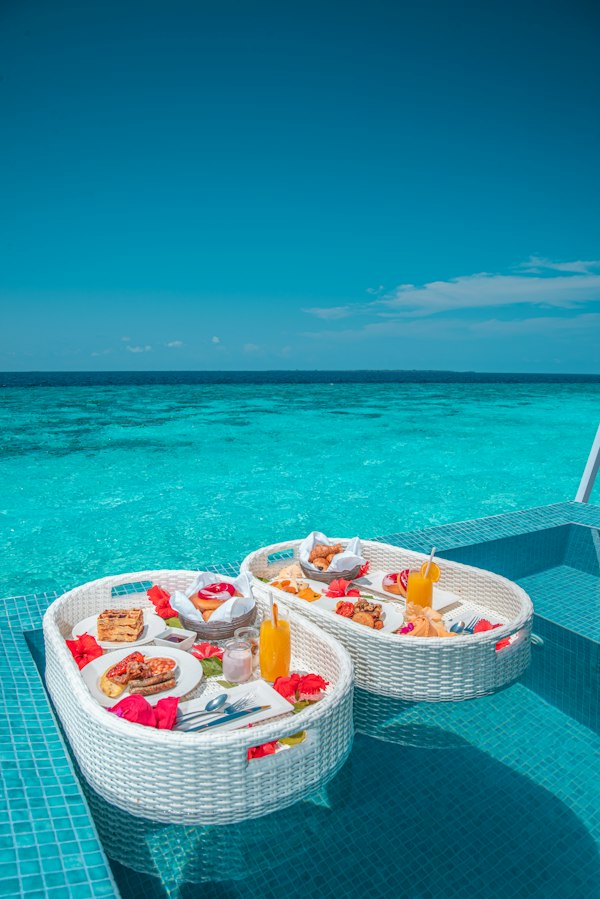
Nakupenda Beach is a sandbank off the coast of Zanzibar, surrounded on all sides by turquoise water. It is a good place to swim, snorkel, or simply sit on a quiet strip of sand. In the evening, due to the tides, Nakupenda can literally disappear. If the tides are strong, the small white sandbank will be covered until the morning, and the island shrinks more and more as it gets late in the day. Book an organized tour that accounts for tide timing and plan to arrive in the morning.
Combine Zanzibar with a Tanzania Mainland Safari
The best time to visit Zanzibar coincides with safari high season in Tanzania, making the archipelago a very popular post-safari choice. Zanzibar combines well with safari in both Tanzania and Kenya, with daily flights available and a light aircraft flight from Dar es Salaam taking only around 20 minutes. Fly from Zanzibar to Mikumi National Park to experience a day in the Tanzanian bush, take a game drive for a chance to spot Tanzania’s wildlife in its natural habitat, and enjoy a bush lunch. Serengeti two-day fly-in safari packages from Zanzibar are also widely available through local tour operators. This pairing of beach and bush is one of the most common Zanzibar itinerary formats for first-time visitors.
When to Visit Zanzibar: Month-by-Month Guide
| Month | Season | Conditions | Best For |
|---|---|---|---|
| January | Short dry | Hot, low rainfall, clear water | Beach, diving, snorkeling |
| February | Short dry | Hottest month, excellent visibility | Scuba diving, snorkeling |