Jozani Forest Zanzibar
Jozani Forest Zanzibar, also known as Jozani Chwaka Bay National Park, is Zanzibar’s only national park and the sole place on earth where you can see the endangered Zanzibar red colobus monkey. Key things to do here include guided forest walks along nature trails, a mangrove boardwalk, birdwatching across more than 40 species, wildlife spotting, and learning about the forest’s medicinal plants. The park covers 50 square kilometres and is open every day, making it a practical half-day addition to almost any Zanzibar itinerary in 2026.
What to Expect at Jozani Forest
The park area covers 50 square kilometres and is home to the largest remaining stand of near-natural forest in Zanzibar. Despite its compact size, the range of habitats inside is considerable. Jozani Chwaka Bay National Park is made up of mostly mangrove forests, tropical forests, coral reefs, evergreen bushland, and salt marshes. It contains about 100 tree species from a total of 43 families, and the forest covers over 2,512 hectares that include groundwater forest, coral rag forest, and salt marsh areas.
The mangrove forests encircling Jozani Chwaka Bay National Park serve as essential breeding grounds for a variety of marine life, including species of open sea fish. Because of the bay’s exceptional natural, biological, and cultural values, it is also being considered for inclusion on Tanzania’s Tentative List of World Heritage Sites and designation as a Ramsar Site.
| Activity | Duration | Difficulty | Approx. Cost | Best Season |
|---|---|---|---|---|
| Guided Forest Nature Walk | 1 to 2 hours | Easy | Included in entry fee | Year-round (dry season preferred) |
| Mangrove Boardwalk | 30 to 45 minutes | Easy | Included in entry fee | Year-round |
| Red Colobus Monkey Watching | 30 to 60 minutes | Easy | Included in entry fee | Year-round (morning best) |
| Birdwatching | 1 to 2 hours | Easy | Included in entry fee | June to September |
| Medicinal Plant Tour | 45 to 60 minutes | Easy | Included in entry fee | Year-round |
| Combined Jozani and spice farm tour | half day | Easy | $40 to $90 per person | Year-round |
The Zanzibar Red Colobus Monkey
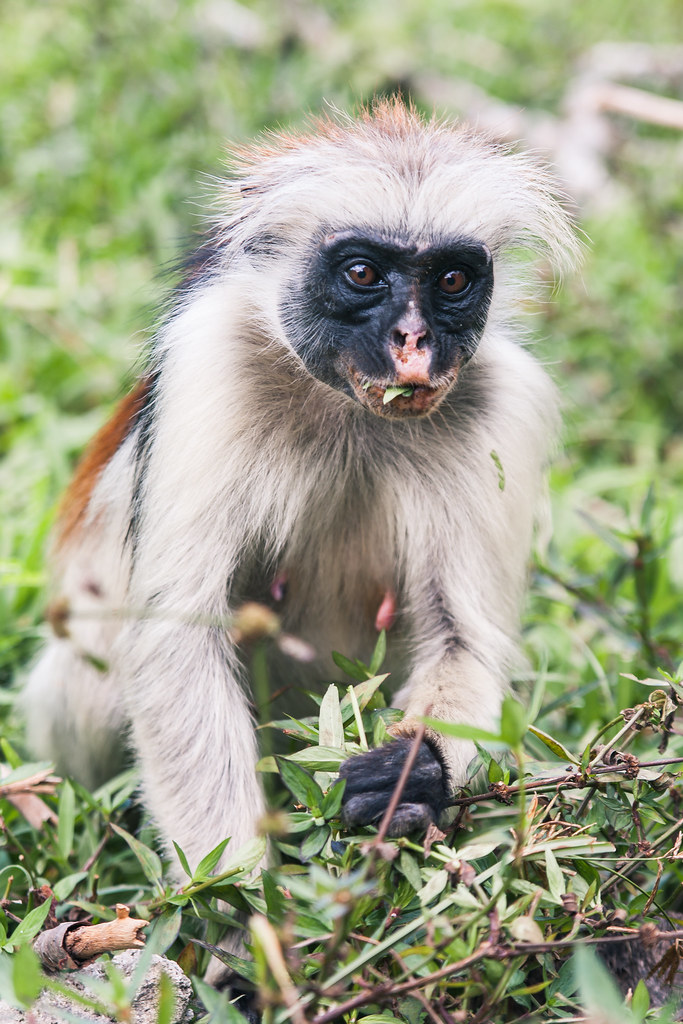
Jozani Forest is the only place in the world where you can find the endangered red colobus monkey. The park is home to over 1,000 Zanzibar red colobus (Procolobus kirkii), also known as Kirk’s red colobus, as well as Sykes monkeys, bush babies, more than 50 butterfly species, and more than 40 bird species.
Sightings are generally reliable, but the time of day matters. Arriving before 9:00 AM transforms the experience. The air is cool, the crowds have not yet arrived, and the red colobus monkeys are active and feeding rather than sleeping in the canopy. These primates are endemic to the island, found nowhere else on earth.
Apart from the rare red colobus monkeys, other wildlife species that travellers can spot include bush babies, antelopes, blue vervet monkeys, duikers, and Sykes monkeys. Each ecosystem holds its own population, including birds with iridescent wings, blue duikers (small antelope), rare butterflies, and the Zanzibar leopard, thought extinct but occasionally glimpsed in hushed local stories.
Forest Trails and the Mangrove Boardwalk

It is forbidden to stray from the paths without an authorised guide in order to protect the species. A network of multiple natural pathways allows visitors to stroll through the woodland. Guided nature walks can take anything from one to two hours or more depending on your pace and preference. During these walks, you can spot a number of plant species with medicinal value, flowers, butterflies, and a number of bird species.
The mangrove boardwalk is a separate section that many visitors accidentally skip. Make sure you cross the road to do the mangrove boardwalk; it is part of the ticket but often missed. The conservation authority has built a bridge to allow visitors to observe the wildlife without trampling on it. Some visitors also spot mangrove crabs and tidal fish near the boardwalk.
Jozani forest is also a natural pharmacy and an amazing source of natural remedies. Every tree or plant cures something, and your experienced guide will lead you through the network of paths and give you surprising information on each plant’s use.
Birdwatching at Jozani Forest
Once you have paid your entry fee, you can access the park and enjoy birdwatching. With over 40 bird species in Jozani Forest, birdwatching is one of the rewarding activities to do while visiting. Some of the birds you may spot include Brown Headed Parrots, Mouse Coloured Sunbirds, Mangrove Kingfishers, and Black Bellied Starlings.
Be sure to have a bird guide with you, and carry a good pair of binoculars. Early morning visits between June and September offer the best combination of dry weather and active wildlife. The mangroves are great places for birds to breed, so the boardwalk section is particularly productive for birdwatchers.
Best Time to Visit Jozani Forest
You can visit the park all year round from 7:30 am to 5:00 pm every day. That said, some months are more comfortable than others.
| Month | Season | Conditions | Recommendation |
|---|---|---|---|
| January to February | Dry (short) | Hot, low humidity | Good |
| March to May | Long rains | Heavy rain, muddy trails | Less ideal |
| June to September | Dry season | Cooler, low rainfall | Best time |
| October to November | Short rains | Intermittent showers | Moderate |
| December | Dry (short) | Warm, mostly dry | Good |
The dry season from June to September is recommended for tours to the destination compared to the rainy season. From June to September, it is the dry season in Zanzibar, and rainy days make the park trails far less enjoyable to walk through. If you are visiting during the wet season, paths can become muddy, so go with water shoes or sandals that you can get dirty, as it is a tropical weather forest with muddy areas where you will walk.
How to Get to Jozani Forest

The Jozani forest lies 35 kilometres south-east from Zanzibar City between Chwaka Bay and Uzi Bay. The entrance to the forest is located north of Pete hamlet on the main route connecting Zanzibar Town with the southern section of the east coast.
The different ways to get to Jozani Forest include using a taxi or dala dala, and the national park is about 35 kilometres from Stone Town. The easiest way to reach the national park is as part of an organised tour. Most hotels all around the island offer guided tours. Arriving independently is possible; you simply arrange your own transport and pay the entry fee at the gate.
Jozani Forest is easily reachable from Stone Town, Jambiani, Paje, and Michamvi. Travellers note its convenient location between Stone Town and beach resorts. If you are staying on the south-east coast near Paje or Jambiani, the park is only a short drive away and easy to include as a morning stop before or after a beach day.
Jozani Forest Costs and Entry Fees in 2026
Entry is around $10 USD per adult, and the fee includes a local guide trained in conservation and forest ecology. Although you can arrive at Jozani Forest on your own, it is not possible to visit without a tour guide. You do not need to pay extra for one as it is already included in the price.
| Cost Item | Approx. Price (USD) | Notes |
|---|---|---|
| Park Entry (adult, incl. guide) | $10 to $12 | Guide is mandatory and included |
| Return taxi from Stone Town | $20 to $35 | Negotiate before departure |
| Dala dala (shared minibus) | $1 to $3 | Cheapest option, slower |
| Organised half-day tour (entry incl.) | $40 to $90 | Includes transport and sometimes lunch |
| Combined Jozani and Spice Farm tour | $50 to $100 | Full morning, widely available |
| Combined Jozani, Spice Farm and Stone Town | $70 to $120 | Full-day tour, transport included |
Practical Tips for Visiting Jozani Forest in 2026
Arrive by 08:30 AM. The red colobus monkeys are active and eating. By 11:00 AM, they are sleeping high in the trees and the busloads of tourists arrive. Planning your visit around this window gives you the best wildlife sightings and a quieter experience on the trails.
Visitors enjoy the well-maintained walkways but recommend sturdy shoes for wet conditions. Since it is most likely to be hot and humid, wear loose clothes and shoes that cover your feet to protect yourself from mosquitoes and other creatures. The forest guide is provided at no extra cost, and you should not pay a “fixer” on the road, as the entrance fee of approximately $12 already includes an official park ranger guide.
You can combine a Jozani Forest trip with other tours like a Spice Farm visit, Stone Town tours, and others. The Jozani Forest tour can also be completed en route to Paje and other southern Zanzibar locations, making it

More Island Stories
Things to Do in Stone Town Zanzibar
Zanzibar Family Holidays